If you are searching for the best DevOps course in Port Harcourt, you can stop here. Port Harcourt Data School has built a strong reputation as a leading institution for DevOps and cloud computing training in Rivers State.
The programme focuses on practical skills. Students learn AWS, Docker, Kubernetes, Terraform, CI/CD pipelines, and more through hands-on experience. This guide explains why the training matters, what you will learn, and why this school stands out.
The Tech Shift in Port Harcourt
Technology in Port Harcourt is changing fast. Many companies no longer rely on physical servers or manual deployments. Instead, they now use cloud platforms like AWS, Google Cloud, and Microsoft Azure.
As a result, the demand for DevOps engineers has increased rapidly. Nigerian companies and international employers now hire professionals who understand cloud tools and automation. However, only a few training centres in Port Harcourt truly prepare students for these roles.
Because of this gap, Port Harcourt Data School was created. The goal is simple: train professionals with real-world DevOps skills that match current job demands.
Why DevOps Skills Matter Today
DevOps is no longer optional. It has become a standard across industries.
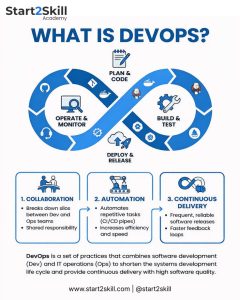
Today, engineers build infrastructure using code. They deploy applications through automated pipelines. They also manage systems using tools like Terraform and Ansible.
Because of these changes, trained DevOps professionals earn higher salaries. They also get hired faster and enjoy more career flexibility.
In addition, the oil and gas sector in Rivers State is adopting cloud technology. Many professionals now need cloud skills to stay relevant. This training provides a structured path to gain those skills quickly.
What Makes Port Harcourt Data School Different
The biggest strength of any training programme is how it teaches, not just what it teaches.
At Port Harcourt Data School, learning is practical from day one. Students use real AWS and Google Cloud accounts. They build and deploy actual infrastructure instead of watching videos or slides.
Because of this approach, students gain real experience early. Within weeks, they already handle cloud systems at a professional level.
Another key advantage is the instructors. They are active DevOps engineers, not just lecturers. They bring current, real-world knowledge into every class.
Moreover, the curriculum stays aligned with job market needs. The school regularly updates its content based on real job listings. This ensures students learn skills that employers actually want.
What You Will Learn
The programme covers the full DevOps toolchain. Each topic is taught step by step, from basics to advanced use.
You will learn:
- AWS services like EC2, S3, IAM, and VPC
- Google Cloud tools and multi-cloud setups
- Docker and containerisation
- Kubernetes cluster management
- CI/CD pipelines using Jenkins and GitHub Actions
- Infrastructure as Code with Terraform and Ansible
- Monitoring tools like Prometheus and Grafana
- DevSecOps and cloud security practices
In addition, you will build real projects. These projects form your portfolio, which you can show to employers.
Certifications Included
Certification preparation is built into the programme. You don’t need to study separately.
You will prepare for:
- AWS Certified Cloud Practitioner
- AWS Solutions Architect – Associate
- Google Associate Cloud Engineer
- Certified Kubernetes Administrator (CKA)
Because the training matches exam objectives, many students pass these certifications before completing the course.
Programme Structure (12 Weeks)
The course follows a clear structure. Each week builds on the previous one.
- Weeks 1–2: Linux and Bash scripting
- Weeks 3–4: AWS fundamentals
- Week 5: Git and version control
- Week 6: Docker
- Week 7: Kubernetes
- Week 8: CI/CD pipelines
- Week 9: Terraform and Ansible
- Week 10: Monitoring tools
- Week 11: Security (DevSecOps)
- Week 12: Capstone project and career preparation
This structure ensures you gain both knowledge and practical experience.
Career Opportunities After Graduation
DevOps roles are among the highest-paying tech jobs in Nigeria.
Graduates often work as:
- Cloud Engineers
- DevOps Engineers
- Kubernetes Engineers
- Site Reliability Engineers
Locally, salaries can range from ₦350,000 to over ₦1,000,000 per month. However, remote roles offer even more. Many graduates earn between $2,500 and $7,000 monthly while working from Port Harcourt.
The school also provides career support. This includes CV writing, interview preparation, and job referrals. As a result, many students secure jobs shortly after graduation.
Who Should Enroll
This programme suits a wide range of learners.
You should consider it if you are:
- A developer who wants to learn deployment and scaling
- An IT professional moving to cloud systems
- A graduate entering tech
- A network or security engineer
- Someone looking for remote tech jobs
Even beginners can join. The course starts with foundational topics and builds gradually.
Final Verdict
Port Harcourt Data School stands out because of its practical approach, experienced instructors, and strong career support.
Students don’t just learn theory. They build real systems, earn certifications, and prepare for real jobs.
If you want to move into DevOps, transition to cloud computing, or earn globally competitive salaries, this programme offers a clear path forward. To learn more click on the link https://www.portharcourtdataschool.com