For years, Lagos and Abuja dominated Nigeria’s tech conversation. But something is shifting in the South-South. Port Harcourt — the city that powers Nigeria’s energy economy is quietly building a generation of DevOps engineers, and Port Harcourt Data School is at the centre of that transformation.
The DevOps Opportunity in Port Harcourt
Port Harcourt has long been defined by oil and gas industries that run on complex infrastructure, 24/7 uptime requirements, and mission-critical systems. That industrial DNA is not a coincidence; it is a competitive advantage. The mindset that keeps offshore pipelines running is exactly the mindset that makes a great DevOps engineer: automate everything, monitor relentlessly, and never let a system go dark.
Now, as multinational energy companies and emerging Nigerian tech startups both recruit aggressively in the city, the demand for engineers who understand CI/CD pipelines, containerisation, cloud infrastructure, and site reliability is exploding, and the supply remains critically thin. That gap is the opportunity Port Harcourt Data School exists to close.
DevOps is not just a set of tools. It is a culture of collaboration between development and operations, and Port Harcourt already has that culture in its industrial roots.
What Is DevOps — And Why Should You Care?
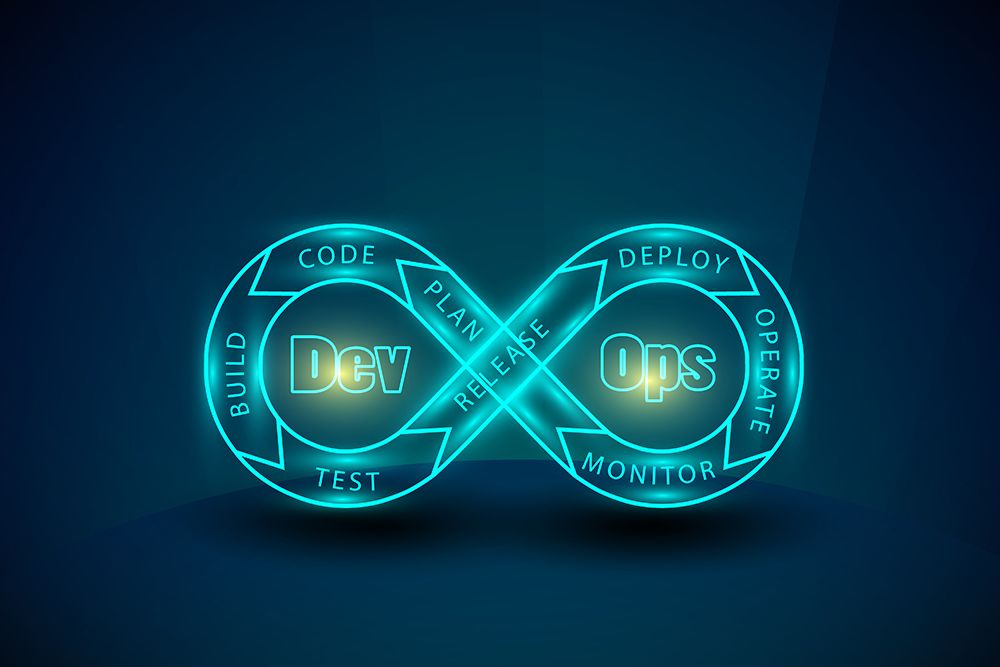
DevOps is the practice of combining software Development and IT Operations into a single, continuous workflow. Instead of developers writing code and “throwing it over the wall” for a separate ops team to deploy, DevOps engineers own the entire lifecycle from writing code, to automating tests, to deploying to the cloud, to monitoring production in real time.
In practical terms, this means a DevOps engineer in Port Harcourt today can work remotely for a fintech in Lagos, an energy firm in Aberdeen, or a SaaS company in Austin, all while earning a salary that dwarfs most local alternatives. According to industry salary data, entry-level DevOps roles in Nigeria’s tech sector now command between ₦400,000 and ₦900,000 per month, with mid-level engineers regularly earning in dollar-denominated remote contracts.
Port Harcourt Data School’s DevOps Programme
Port Harcourt Data School was founded with one conviction: world-class tech training should not require relocating to Lagos. The school runs a hands-on, project-driven DevOps curriculum designed around the tools and workflows that real employers actually use, not theoretical textbooks.
What You’ll Learn
Linux & Bash Scripting
Master the command line. Automate repetitive tasks. Understand the OS layer that every cloud platform sits on.
Git & Version Control
Branching strategies, pull requests, and collaborative workflows used in professional engineering teams.
Docker & Containers
Package applications so they run identically in development, staging, and production — eliminating “it works on my machine.”
AWS / Azure Fundamentals
Deploy, scale, and secure cloud infrastructure. Prepare for globally recognised certifications.
CI/CD Pipelines
Build automated pipelines with Jenkins, GitHub Actions, and GitLab CI to ship code faster and safer.
Kubernetes
Manage containerised applications at scale, the skill that separates mid-level engineers from senior ones.
Terraform & Ansible
Define, provision, and configure entire infrastructure environments with code that is version-controlled and repeatable.
Monitoring & Alerting
Use Prometheus, Grafana, and the ELK stack to see exactly what your systems are doing, before users notice a problem.
Why Train in Port Harcourt — Not Online Alone?
The internet is full of free DevOps tutorials. Knowing this, a fair question is: why enrol in a structured, in-person programme in Port Harcourt? The answer is threefold: accountability, community, and career infrastructure.
Accountability. Most self-learners quit within weeks. Port Harcourt Data School’s cohort-based model means you learn alongside peers in the city, with instructors who know your name, track your progress, and push you past the moments where solo learners give up.
Community. Your next job is most likely to come through someone you know. PH Data School actively cultivates a local tech ecosystem, hosting meetups, connecting alumni with hiring companies, and building the kind of professional network in Port Harcourt that used to require living in Lagos.
Career Infrastructure. Completing a course is not the same as getting a job. The school provides CV review, mock interviews, portfolio project support, and direct connections to employers who specifically recruit from PH Data School graduates.
Who Is This For?
You do not need a computer science degree to begin. Port Harcourt Data School’s DevOps programme is designed for:
Recent graduates in engineering, sciences, or any field who want a tech career with strong earning potential. IT and system admins already working in organisations who want to formalise and level up their skills. Software developers who want to understand the deployment and infrastructure side of the products they build. Career changers from oil and gas, banking, or any sector who recognise that technology is where the opportunities are moving.
If you can commit four to six hours per day and you are willing to be challenged, the programme will take you where you need to go.
Certifications That Actually Matter
Beyond the practical skills, Port Harcourt Data School prepares students for globally recognised certifications that signal competence to employers anywhere in the world. These include the AWS Certified DevOps Engineer, the Certified Kubernetes Administrator (CKA), HashiCorp Terraform Associate, and the Azure DevOps Solutions Expert. A certificate from one of these bodies on your profile is a signal that crosses borders , it speaks the same language in London as it does in Lagos.
Ready to Start Your DevOps Career in Port Harcourt?
The Bigger Picture: Building PH’s Tech Economy
Port Harcourt does not need to follow Lagos. It needs to lead with its own strengths. A city with the financial gravity, the infrastructure mindset, and the ambition that Port Harcourt possesses is not waiting for permission to become a tech hub, it is becoming one. Port Harcourt Data School is part of that story, training the engineers who will build the next generation of Nigerian technology companies and serve as the local talent base that international firms relocating to the South-South will need.
Every DevOps engineer who graduates from Port Harcourt and lands a high-earning role, whether locally or remotely, is proof that the talent was always here. It just needed the right training.