Professional DevOps Engineer Training in Port Harcourt with Live Projects

At Port Harcourt Data School, you learn DevOps by doing real work. From week one, you deploy AWS infrastructure, build Docker containers, manage Kubernetes clusters, and create CI/CD pipelines yourself.

Instead of watching demos, you work on live cloud systems. As a result, you gain real experience fast.
Start Strong with Real Tools from Day One

First, you enter a real engineering environment. Then, you begin building immediately.

You will:

  • Deploy AWS and GCP resources
  • Build and run Docker containers
  • Manage Kubernetes clusters
  • Automate deployments with CI/CD

Because of this approach, you don’t just learn DevOps, you practice it daily.

Why Live Projects Matter

Many people study DevOps. However, few can actually build real systems.

Today, employers want proof of skills. They look for:

  • Real AWS deployments
  • Working CI/CD pipelines
  • Kubernetes applications
  • Infrastructure-as-code projects

Therefore, certificates alone are no longer enough.

At Port Harcourt Data School, you solve this problem. You build real projects every week. Consequently, you graduate with a complete portfolio, not just notes.

Learn by Building, Not Watching

Traditional training focuses on theory first. Then, students complete one final project.

In contrast, this programme flips the model:

  • You start building immediately
  • You practise every week
  • You complete multiple real projects

From your first class:

  • You log into real AWS accounts
  • You open Linux terminals
  • You deploy actual infrastructure

So, instead of observing, you engineer systems yourself.

Programme Structure at a Glance

  • Training style: Live project-based
  • Practice ratio: 80% hands-on
  • Projects: 6 real-world deployments
  • Cloud access: Provided per student

As a result, you gain job-ready skills faster.

The Six Live Projects You Will Build

Throughout the programme, you complete six structured projects. Each one builds on the previous.

Project 1: Linux Automation

First, you write Bash scripts to automate:

  • Server setup
  • User management
  • Backups

In addition, you apply real security hardening techniques.

Project 2: AWS Three-Tier Architecture

Next, you build a full cloud system:

  • VPC with public/private subnets
  • EC2 servers behind a load balancer
  • RDS database
  • S3 storage

Because of this, you understand real production architecture.

Project 3: Docker Microservices App

After that, you containerise a full application:

  • Frontend
  • Backend API
  • Database
  • Cache

Then, you manage everything with Docker Compose.

Project 4: Kubernetes Deployment (EKS)

Now, you move to orchestration.

You:

  • Deploy an EKS cluster
  • Run your containerised app
  • Configure scaling and networking

As a result, you gain real Kubernetes experience.

Project 5: Full CI/CD Pipeline

Next, you automate everything.

You build a pipeline that:

  • Tests code
  • Builds Docker images
  • Deploys to Kubernetes

Therefore, you understand modern DevOps workflows.

Project 6: Capstone DevOps Platform

Finally, you combine everything.

You add:

  • Monitoring (Prometheus, Grafana)
  • Logging (ELK Stack)
  • Security (Vault, Trivy)

At this stage, you create a complete production-grade system.

Why This Training Stands Out

Many schools teach DevOps. However, few provide real infrastructure access.

Here’s what makes this programme different:

1. Real Cloud Labs

You work on real AWS and GCP systems.
You do not use simulations.

2. Practising Engineers as Instructors

Your trainers actively work in the industry.
Therefore, you learn current best practices.

3. Six Portfolio Projects

By graduation, you have:

  • Six completed projects
  • Full documentation
  • A strong GitHub profile

As a result, you stand out to employers.

4. Certification Preparation Included

You also prepare for:

  • AWS Cloud Practitioner
  • AWS Solutions Architect
  • Google Cloud Engineer
  • Kubernetes Administrator

So, you gain both skills and certifications.

5. Job Placement Support

In addition, the school connects you to employers.

Graduates work in:

  • Nigeria
  • The UK
  • Canada
  • Remote global roles

Because of this, many students secure jobs quickly.

Week-by-Week Learning (Simplified)

The programme follows a clear path.

Weeks 1–3: Foundations

You learn:

  • Linux
  • Git & GitHub
  • AWS basics

Then, you start your first projects.

Weeks 4–6: Cloud & Containers

Next, you work with:

  • Advanced AWS
  • GCP & Azure
  • Docker

At this point, you begin building real applications.

Weeks 7–9: Orchestration & Automation

You move into:

  • Kubernetes
  • CI/CD pipelines
  • Terraform & Ansible

Therefore, your systems become fully automated.

Weeks 10–12: Monitoring, Security & Career Prep

Finally, you focus on:

  • Observability tools
  • Cloud security
  • Portfolio and job readiness

As a result, you graduate fully prepared.

Tools You Will Use

You will actively work with tools such as:

  • AWS, GCP, Azure
  • Docker, Kubernetes
  • Terraform, Ansible
  • GitHub Actions, Jenkins
  • Prometheus, Grafana

Importantly, you don’t just see these tools, you use them in real projects.

Who Should Enroll?

This programme suits:

  • Developers who want deployment skills
  • IT administrators moving to cloud
  • Network engineers exploring DevOps
  • Graduates entering tech
  • Career changers

In each case, you gain practical experience quickly.

Career Outcomes

DevOps roles are among the highest-paying tech jobs.

Typical roles include:

  • Cloud Engineer
  • DevOps Engineer
  • Kubernetes Engineer
  • Remote Cloud Engineer

Because of the hands-on training, many graduates secure roles within months.

Final Thoughts

Port Harcourt Data School focuses on one thing: real experience.

You:

  • Build real infrastructure
  • Work on real cloud platforms
  • Create real projects

Therefore, you graduate ready to work, not just ready to learn https://www.portharcourtdataschool.com
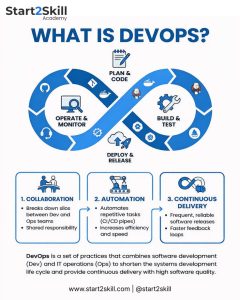
Best DevOps Course in Port Harcourt – Learn AWS, Docker & Kubernetes

If you are searching for the best DevOps course in Port Harcourt, you can stop here. Port Harcourt Data School has built a strong reputation as a leading institution for DevOps and cloud computing training in Rivers State.

The programme focuses on practical skills. Students learn AWS, Docker, Kubernetes, Terraform, CI/CD pipelines, and more through hands-on experience. This guide explains why the training matters, what you will learn, and why this school stands out.

The Tech Shift in Port Harcourt

Technology in Port Harcourt is changing fast. Many companies no longer rely on physical servers or manual deployments. Instead, they now use cloud platforms like AWS, Google Cloud, and Microsoft Azure.

As a result, the demand for DevOps engineers has increased rapidly. Nigerian companies and international employers now hire professionals who understand cloud tools and automation. However, only a few training centres in Port Harcourt truly prepare students for these roles.

Because of this gap, Port Harcourt Data School was created. The goal is simple: train professionals with real-world DevOps skills that match current job demands.

Why DevOps Skills Matter Today

DevOps is no longer optional. It has become a standard across industries.

Today, engineers build infrastructure using code. They deploy applications through automated pipelines. They also manage systems using tools like Terraform and Ansible.

Because of these changes, trained DevOps professionals earn higher salaries. They also get hired faster and enjoy more career flexibility.

In addition, the oil and gas sector in Rivers State is adopting cloud technology. Many professionals now need cloud skills to stay relevant. This training provides a structured path to gain those skills quickly.

What Makes Port Harcourt Data School Different

The biggest strength of any training programme is how it teaches, not just what it teaches.

At Port Harcourt Data School, learning is practical from day one. Students use real AWS and Google Cloud accounts. They build and deploy actual infrastructure instead of watching videos or slides.

Because of this approach, students gain real experience early. Within weeks, they already handle cloud systems at a professional level.

Another key advantage is the instructors. They are active DevOps engineers, not just lecturers. They bring current, real-world knowledge into every class.

Moreover, the curriculum stays aligned with job market needs. The school regularly updates its content based on real job listings. This ensures students learn skills that employers actually want.

What You Will Learn

The programme covers the full DevOps toolchain. Each topic is taught step by step, from basics to advanced use.

You will learn:

  • AWS services like EC2, S3, IAM, and VPC
  • Google Cloud tools and multi-cloud setups
  • Docker and containerisation
  • Kubernetes cluster management
  • CI/CD pipelines using Jenkins and GitHub Actions
  • Infrastructure as Code with Terraform and Ansible
  • Monitoring tools like Prometheus and Grafana
  • DevSecOps and cloud security practices

In addition, you will build real projects. These projects form your portfolio, which you can show to employers.

Certifications Included

Certification preparation is built into the programme. You don’t need to study separately.

You will prepare for:

  • AWS Certified Cloud Practitioner
  • AWS Solutions Architect – Associate
  • Google Associate Cloud Engineer
  • Certified Kubernetes Administrator (CKA)

Because the training matches exam objectives, many students pass these certifications before completing the course.

Programme Structure (12 Weeks)

The course follows a clear structure. Each week builds on the previous one.

  • Weeks 1–2: Linux and Bash scripting
  • Weeks 3–4: AWS fundamentals
  • Week 5: Git and version control
  • Week 6: Docker
  • Week 7: Kubernetes
  • Week 8: CI/CD pipelines
  • Week 9: Terraform and Ansible
  • Week 10: Monitoring tools
  • Week 11: Security (DevSecOps)
  • Week 12: Capstone project and career preparation

This structure ensures you gain both knowledge and practical experience.

Career Opportunities After Graduation

DevOps roles are among the highest-paying tech jobs in Nigeria.

Graduates often work as:

  • Cloud Engineers
  • DevOps Engineers
  • Kubernetes Engineers
  • Site Reliability Engineers

Locally, salaries can range from ₦350,000 to over ₦1,000,000 per month. However, remote roles offer even more. Many graduates earn between $2,500 and $7,000 monthly while working from Port Harcourt.

The school also provides career support. This includes CV writing, interview preparation, and job referrals. As a result, many students secure jobs shortly after graduation.

Who Should Enroll

This programme suits a wide range of learners.

You should consider it if you are:

  • A developer who wants to learn deployment and scaling
  • An IT professional moving to cloud systems
  • A graduate entering tech
  • A network or security engineer
  • Someone looking for remote tech jobs

Even beginners can join. The course starts with foundational topics and builds gradually.

Final Verdict

Port Harcourt Data School stands out because of its practical approach, experienced instructors, and strong career support.

Students don’t just learn theory. They build real systems, earn certifications, and prepare for real jobs.

If you want to move into DevOps, transition to cloud computing, or earn globally competitive salaries, this programme offers a clear path forward. To learn more click on the link https://www.portharcourtdataschool.com
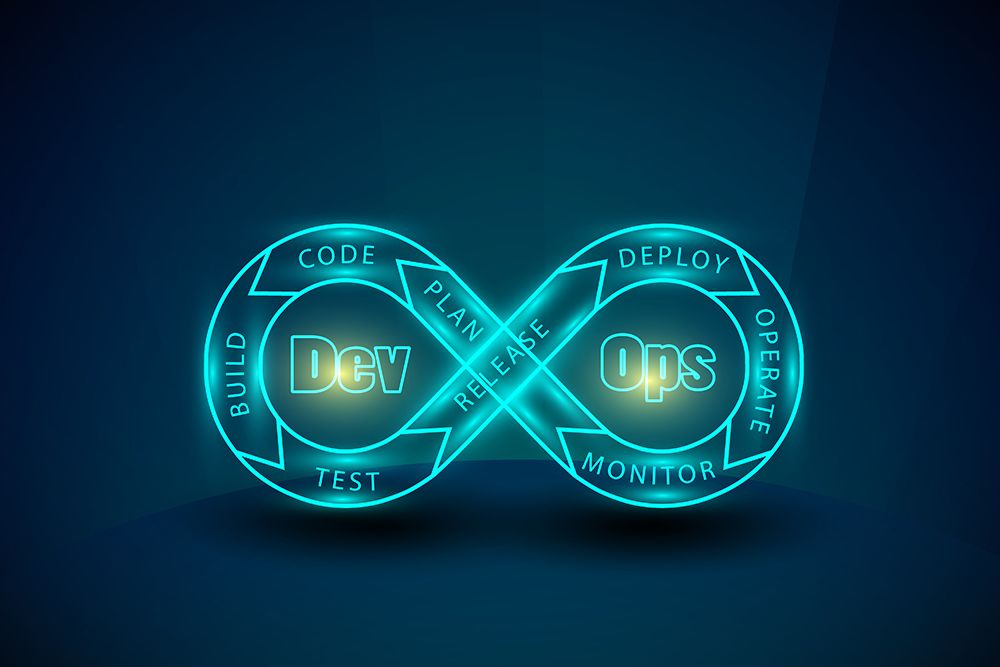
How to Become a Certified DevOps Engineer in Port Harcourt and Start Earning High-Paying Remote Jobs


The World Has Moved to the Cloud And Port Harcourt Is Catching Up

Cloud computing is no longer the future, it is the present. Today, companies of all sizes, from Nigerian banks and oil & gas firms to global SaaS platforms, are rapidly moving their infrastructure to AWS, Google Cloud, and Microsoft Azure.

As a result, DevOps and Cloud Computing have become two of the fastest-growing and highest-paying fields in tech.

However, in Rivers State, skilled DevOps engineers and cloud professionals are still in short supply. This shortage has created a major opportunity. Local companies, remote-first startups, and international recruiters are actively searching for talent. Consequently, professionals with these skills now command some of the best salaries in Nigeria, both locally and remotely.

At Port Harcourt Data School, students don’t just learn theory, they build real systems. From day one, they work with live AWS and Google Cloud environments. This hands-on approach ensures that, by graduation, every student has a strong portfolio of real-world cloud projects.


Who This Programme Is For

This programme is designed for both beginners and experienced professionals who want to transition into cloud and DevOps roles.

Software Developers

First, developers learn how to build CI/CD pipelines, deploy applications, and manage production systems.

IT & System Administrators

Next, system administrators gain the skills needed to move from on-premise infrastructure to cloud environments.

Network & Security Engineers

In addition, network professionals apply their knowledge to cloud systems such as VPCs, IAM, and security frameworks.

Engineering & Computer Science Graduates

Graduates can quickly enter the job market with in-demand, high-paying skills.

Remote Job Seekers

Moreover, professionals who want to work remotely can access global opportunities and earn in foreign currencies.

Career Changers

Finally, individuals from banking, oil & gas, or other industries can successfully transition into tech.

Why Choose Port Harcourt Data School

Port Harcourt Data School stands out as a leading DevOps and cloud training centre in Rivers State. Here’s why:

1. Live Cloud Labs

Students actively build and manage infrastructure on real AWS and Google Cloud platforms, not simulations.

2. Built-In Certification Prep

The programme prepares students for AWS and Google Cloud certifications as part of the curriculum.

3. Industry-Active Instructors

Experienced cloud engineers teach every session, focusing on real-world problem solving.

4. Project-Based Learning

Students create a complete portfolio, including deployed applications, pipelines, and infrastructure.

5. Flexible Schedule

Weekend and evening classes make it easy for working professionals to attend.

6. Job Placement Support

Graduates gain access to a network of employers across Nigeria, Europe, and North America.

What You Will Learn

The programme is structured into four core tracks. Together, they prepare you for real-world DevOps and cloud roles.

1. Cloud Computing (AWS, GCP & Azure)

You will learn how to design, deploy, and manage cloud infrastructure across major platforms.

2. Containerisation (Docker & Kubernetes)

You will containerise applications and manage them at scale using Kubernetes.

3. CI/CD & DevOps Automation

You will build automated pipelines that test, deploy, and manage applications efficiently.

4. Monitoring & DevSecOps

You will monitor systems, improve performance, and implement security best practices.

Your 12-Week Learning Journey

The programme takes you step-by-step from beginner to job-ready engineer.

Weeks 1–3: Foundations

You start with Linux, Git, and AWS fundamentals. By the end, you can manage cloud resources confidently.

Weeks 4–6: Cloud & Containers

Next, you explore advanced AWS services and begin working with Docker.

Weeks 7–9: Kubernetes & Automation

Then, you build Kubernetes clusters and automate infrastructure using Terraform and Ansible.

Weeks 10–12: Monitoring, Security & Capstone

Finally, you set up monitoring tools, implement security practices, and complete a full production project.

Certifications You Can Achieve

Throughout the programme, you prepare for globally recognized certifications, including:

  • AWS Cloud Practitioner
  • AWS Solutions Architect Associate
  • Google Associate Cloud Engineer
  • Docker Certified Associate
  • Certified Kubernetes Administrator (CKA)

These certifications significantly increase your employability in both local and international markets.

Tools You Will Master

During training, you will gain hands-on experience with industry-standard tools, including:

AWS, Google Cloud, Azure, Docker, Kubernetes, Terraform, Ansible, GitHub Actions, Jenkins, Prometheus, Grafana, and more.

Salary Expectations in Nigeria

DevOps and cloud roles offer some of the highest salaries in the tech industry.

  • Cloud Engineer: ₦350,000 – ₦800,000/month
  • DevOps Engineer: ₦400,000 – ₦1,000,000/month
  • Kubernetes Engineer: ₦500,000 – ₦1,200,000/month
  • Cloud Security Engineer: ₦500,000 – ₦1,400,000/month
  • Site Reliability Engineer: ₦450,000 – ₦1,100,000/month

Additionally, remote roles can pay between $2,500 and $7,000 per month.

Real Career Outcomes

Graduates from Port Harcourt Data School now work with companies across Nigeria, the UK, Canada, and the United States.

For example, many started with little or no cloud experience but secured international remote roles within months. Others transitioned from traditional IT roles into high-paying cloud positions.

Frequently Asked Questions

Do I need programming experience?

Not necessarily. The programme starts with the basics and supports beginners throughout.

Will I use real cloud platforms?

Yes. You will work with actual AWS and Google Cloud environments.

Can I get a remote job after the course?

Yes. DevOps and cloud roles are highly remote-friendly, and many graduates work internationally.

Are payment plans available?

Yes. Flexible payment options are offered to make the programme accessible.

Start Your Cloud Engineering Career Today

The demand for DevOps and cloud engineers continues to grow rapidly. At the same time, the supply of skilled professionals in Rivers State remains low, creating a powerful opportunity.

If you’re ready to build in-demand skills, earn more, and access global opportunities, now is the time to act.

Enroll today:
https://www.portharcourtdataschool.com
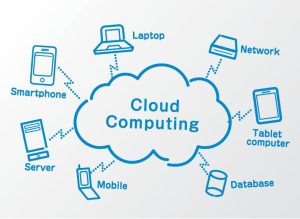
DevOps training in Port Harcourt

For years, Lagos and Abuja dominated Nigeria’s tech conversation. But something is shifting in the South-South. Port Harcourt — the city that powers Nigeria’s energy economy  is quietly building a generation of DevOps engineers, and Port Harcourt Data School is at the centre of that transformation.

The DevOps Opportunity in Port Harcourt

Port Harcourt has long been defined by oil and gas  industries that run on complex infrastructure, 24/7 uptime requirements, and mission-critical systems. That industrial DNA is not a coincidence; it is a competitive advantage. The mindset that keeps offshore pipelines running is exactly the mindset that makes a great DevOps engineer: automate everything, monitor relentlessly, and never let a system go dark.

Now, as multinational energy companies and emerging Nigerian tech startups both recruit aggressively in the city, the demand for engineers who understand CI/CD pipelines, containerisation, cloud infrastructure, and site reliability is exploding, and the supply remains critically thin. That gap is the opportunity Port Harcourt Data School exists to close.

DevOps is not just a set of tools. It is a culture of collaboration between development and operations, and Port Harcourt already has that culture in its industrial roots.

— Port Harcourt Data School

What Is DevOps — And Why Should You Care?

DevOps is the practice of combining software Development and IT Operations into a single, continuous workflow. Instead of developers writing code and “throwing it over the wall” for a separate ops team to deploy, DevOps engineers own the entire lifecycle  from writing code, to automating tests, to deploying to the cloud, to monitoring production in real time.

In practical terms, this means a DevOps engineer in Port Harcourt today can work remotely for a fintech in Lagos, an energy firm in Aberdeen, or a SaaS company in Austin, all while earning a salary that dwarfs most local alternatives. According to industry salary data, entry-level DevOps roles in Nigeria’s tech sector now command between ₦400,000 and ₦900,000 per month, with mid-level engineers regularly earning in dollar-denominated remote contracts.

📌 Why DevOps, Why Now?
DevOps Engineers rank among the top 5 most in-demand tech roles globally in 2026. In Nigeria specifically, the CBN’s push for digital financial infrastructure and the growth of cloud-first companies has created a domestic demand that local universities are not equipped to fill. Practical, industry-aligned training is the only bridge.

Port Harcourt Data School’s DevOps Programme

Port Harcourt Data School was founded with one conviction: world-class tech training should not require relocating to Lagos. The school runs a hands-on, project-driven DevOps curriculum designed around the tools and workflows that real employers actually use, not theoretical textbooks.

What You’ll Learn

Linux & Bash Scripting

Master the command line. Automate repetitive tasks. Understand the OS layer that every cloud platform sits on.

Git & Version Control

Branching strategies, pull requests, and collaborative workflows used in professional engineering teams.

Docker & Containers

Package applications so they run identically in development, staging, and production — eliminating “it works on my machine.”

AWS / Azure Fundamentals

Deploy, scale, and secure cloud infrastructure. Prepare for globally recognised certifications.

CI/CD Pipelines

Build automated pipelines with Jenkins, GitHub Actions, and GitLab CI to ship code faster and safer.

Kubernetes

Manage containerised applications at scale, the skill that separates mid-level engineers from senior ones.

Terraform & Ansible

Define, provision, and configure entire infrastructure environments with code that is version-controlled and repeatable.

Monitoring & Alerting

Use Prometheus, Grafana, and the ELK stack to see exactly what your systems are doing, before users notice a problem.

Why Train in Port Harcourt — Not Online Alone?

The internet is full of free DevOps tutorials. Knowing this, a fair question is: why enrol in a structured, in-person programme in Port Harcourt? The answer is threefold: accountability, community, and career infrastructure.

Accountability. Most self-learners quit within weeks. Port Harcourt Data School’s cohort-based model means you learn alongside peers in the city, with instructors who know your name, track your progress, and push you past the moments where solo learners give up.

Community. Your next job is most likely to come through someone you know. PH Data School actively cultivates a local tech ecosystem, hosting meetups, connecting alumni with hiring companies, and building the kind of professional network in Port Harcourt that used to require living in Lagos.

Career Infrastructure. Completing a course is not the same as getting a job. The school provides CV review, mock interviews, portfolio project support, and direct connections to employers who specifically recruit from PH Data School graduates.

Who Is This For?

You do not need a computer science degree to begin. Port Harcourt Data School’s DevOps programme is designed for:

Recent graduates in engineering, sciences, or any field who want a tech career with strong earning potential. IT and system admins already working in organisations who want to formalise and level up their skills. Software developers who want to understand the deployment and infrastructure side of the products they build. Career changers from oil and gas, banking, or any sector who recognise that technology is where the opportunities are moving.

If you can commit four to six hours per day and you are willing to be challenged, the programme will take you where you need to go.

Certifications That Actually Matter

Beyond the practical skills, Port Harcourt Data School prepares students for globally recognised certifications that signal competence to employers anywhere in the world. These include the AWS Certified DevOps Engineer, the Certified Kubernetes Administrator (CKA), HashiCorp Terraform Associate, and the Azure DevOps Solutions Expert. A certificate from one of these bodies on your profile is a signal that crosses borders , it speaks the same language in London as it does in Lagos.

Ready to Start Your DevOps Career in Port Harcourt?

The Bigger Picture: Building PH’s Tech Economy

Port Harcourt does not need to follow Lagos. It needs to lead with its own strengths. A city with the financial gravity, the infrastructure mindset, and the ambition that Port Harcourt possesses is not waiting for permission to become a tech hub, it is becoming one. Port Harcourt Data School is part of that story, training the engineers who will build the next generation of Nigerian technology companies and serve as the local talent base that international firms relocating to the South-South will need.

Every DevOps engineer who graduates from Port Harcourt and lands a high-earning role, whether locally or remotely, is proof that the talent was always here. It just needed the right training.

DevOps Certification Course in Port Harcourt

In today’s fast-paced tech ecosystem, DevOps has become one of the most in-demand skills globally. Organizations are constantly seeking professionals who can bridge the gap between software development and IT operations. If you’re in Port Harcourt and looking to build a career in this field, enrolling in a DevOps certification course is a smart move.

But with several training options available, how do you choose the right one?

This article explores DevOps training in Port Harcourt and why Port Harcourt Data School remains the top recommendation.

What is DevOps and Why is it Important?

DevOps is a combination of development (Dev) and operations (Ops) aimed at improving collaboration, automation, and efficiency in software delivery.

A DevOps certification equips you with skills such as:

  • Continuous Integration and Continuous Deployment (CI/CD)

  • Cloud computing and infrastructure automation

  • Version control (Git)

  • Containerization tools like Docker and Kubernetes

With companies increasingly adopting DevOps practices, certified professionals are highly valued across industries.

DevOps Training in Port Harcourt: What to Expect

DevOps courses in Port Harcourt typically cover:

  • Software development lifecycle

  • Automation tools and pipelines

  • Cloud platforms (AWS, Azure, Google Cloud)

  • Infrastructure as Code (IaC)

  • Monitoring and security integration

Some institutions offer short-term certifications, like 2-day intensive programs or online instructor-led training with certification exams.

Others, like university, affiliated programs, include hands-on labs, real-world projects, and globally recognized certifications in DevSecOps.

Why Choose Port Harcourt Data School for DevOps Training?

While there are several options, Port Harcourt Data School stands out for several reasons:

1. Practical, Project-Based Learning

The school emphasizes hands-on, real-life projects, ensuring students don’t just learn theory but gain practical experience needed in the workplace.

2. Beginner to Advanced Training Structure

Whether you are a beginner or transitioning into tech, their programs are structured to take you from foundation to advanced level, making DevOps accessible to everyone.

3. Flexible Learning Options

Students can choose:

  • Physical classes in Port Harcourt

  • Online sessions

  • Hybrid learning

This flexibility allows both students and working professionals to learn conveniently.

4. Strong Tech Foundation (Beyond DevOps)

DevOps requires knowledge of tools like:

  • Python

  • Databases (SQL)

  • Cloud computing

  • Data systems

Port Harcourt Data School already provides training in these core areas, helping learners build a solid technical foundation before specializing in DevOps. Click Here

5. Internship & Career Support

One major advantage is their post-training internship opportunities, helping students gain real industry experience and build a strong portfolio.

6. Mentorship & Professional Guidance

Unlike many short courses, students receive ongoing support, mentorship, and guidance to help them transition into tech careers successfully.

Who Should Enroll in a DevOps Course?

A DevOps certification is ideal for:

  • Graduates seeking tech careers

  • Software developers

  • IT professionals

  • System administrators

  • Career switchers

Even beginners with no prior experience can start with foundational training and grow into DevOps roles.

Career Opportunities After DevOps Certification

After completing your DevOps training, you can pursue roles such as:

  • DevOps Engineer

  • Cloud Engineer

  • Site Reliability Engineer (SRE)

  • Automation Engineer

These roles are not only in high demand in Nigeria but also offer remote job opportunities globally.

Final Thoughts

DevOps is no longer optional, it is a must-have skill in modern tech careers. While there are multiple training providers in Port Harcourt, choosing the right institution can determine your success.

If you are looking for a training center that combines:

  • Practical learning

  • Mentorship

  • Career support

  • Flexible learning options

Then Port Harcourt Data School is undoubtedly one of the best places to start your DevOps journey.

Call to Action

Ready to start your DevOps career?

Enroll today at Port Harcourt Data School and take your first step toward becoming a globally relevant tech professional.

Hi, How Can We Help You?
Welcome To
Portharcourt Data School

Artificial Intelligence (AI) and Robotics Programmes Are Now Available!

Enroll Now!

Thank You
100% secure website.