How to Earn the OSCP Certification in Africa

The OSCP, cybersecurity industry continues to grow rapidly across Africa and around the world. As cyber threats become more sophisticated, organizations are actively searching for professionals with proven security skills. Consequently, certifications that validate practical cybersecurity knowledge have become increasingly valuable.

One certification that stands out is the Offensive Security Certified Professional (OSCP). The OSCP certification is widely recognized as one of the most respected credentials in penetration testing and ethical hacking. Unlike many certifications that focus primarily on theory, OSCP challenges candidates to demonstrate real world hacking skills in practical environments.

Because of its hands on approach, the OSCP certification has become a top choice for cybersecurity professionals seeking to advance their careers. Employers often view OSCP certified professionals as individuals who can identify vulnerabilities, exploit security weaknesses, and help organizations strengthen their defences.

For African candidates, however, the journey to earning the OSCP certification can be both exciting and demanding. While the certification opens doors to high paying cybersecurity roles, it also requires dedication, consistent practice, and strong problem-solving abilities. Therefore, understanding the preparation process is essential before starting your OSCP journey.

In this article, we will explain how to get the OSCP certification, share honest reviews from African candidates, discuss common challenges, and highlight how Port Harcourt Data School can help aspiring cybersecurity professionals prepare for OSCP success.
Why More Africans Are Pursuing OSCP

Over the past few years, cybersecurity awareness has increased significantly across Africa. Governments, financial institutions, telecommunications companies, and technology firms now invest heavily in digital security.

Consequently, organizations need professionals who can identify security weaknesses before cybercriminals exploit them.

Many African candidates choose the OSCP because:

  • It is recognized worldwide.
  • It validates practical hacking skills.
  • It improves career prospects.
  • It enhances professional credibility.
  • It creates opportunities for international employment.

Moreover, many employers specifically mention OSCP when recruiting penetration testers and security consultants.

Build a Strong Foundation First

Although enthusiasm is important, preparation should start with mastering the fundamentals.

For instance, candidates should understand:

  • Computer networking
  • Linux administration
  • Windows systems
  • Cybersecurity fundamentals
  • Web technologies
  • Basic scripting

Without these skills, advanced penetration testing concepts may become difficult to understand.

Fortunately, Port Harcourt Data School provides practical training programs that help students develop the technical foundation required for advanced cybersecurity certifications.

Official Training Program

Once the fundamentals are in place, the next step involves enrolling in Port Harcourt Data School official training course.

The course introduces students to penetration testing methodologies, vulnerability assessment techniques, exploitation methods, and post exploitation activities.

More importantly, learners gain access to practical lab environments where they can apply newly acquired knowledge. This hands-on experience is one of the key reasons why the OSCP certification is highly respected.

Practice More Than You Study

One common lesson shared by successful African candidates is simple: practice consistently.

Reading books and watching videos certainly helps. However, practical exercises often make the biggest difference.

Instead of spending all your time reviewing theory, focus on:

  • Solving lab challenges
  • Exploiting vulnerable machines
  • Practicing enumeration
  • Learning privilege escalation techniques
  • Improving documentation skills

Over time, these activities build confidence and improve problem solving abilities.

Furthermore, regular practice helps candidates become comfortable working under exam conditions.

Develop Strong Enumeration Skills

Many experienced OSCP holders emphasize the importance of enumeration.

In fact, enumeration is often considered one of the most critical skills in penetration testing. Missing important information during the reconnaissance phase can lead to wasted effort later in the attack process.

Therefore, candidates should spend considerable time learning how to gather and analyze information effectively.

Strong enumeration skills often separate successful candidates from unsuccessful ones.

Learn Active Directory Thoroughly

Modern enterprise environments rely heavily on Active Directory. Because of this, the OSCP examination now includes scenarios that test Active Directory attack techniques.

As a result, candidates should become familiar with:

  • Domain enumeration
  • Privilege escalation
  • Credential attacks
  • Lateral movement
  • Misconfiguration exploitation

Mastering these concepts can significantly increase your chances of passing the exam.

Improve Your Report Writing Skills

Technical skills alone are not enough.

After identifying and exploiting vulnerabilities, candidates must clearly document their findings. Therefore, professional report writing becomes an essential part of OSCP preparation.

A high-quality report should include:

  • Detailed findings
  • Evidence of exploitation
  • Screenshots where necessary
  • Clear remediation recommendations

Since many employers’ value communication skills, learning to write professional reports can also benefit your career long after the exam.

Honest Feedback from African Candidates

Many African cybersecurity professionals describe the OSCP journey as demanding but rewarding.

On one hand, candidates appreciate the practical nature of the certification. On the other hand, they acknowledge that preparation requires significant dedication.

What Candidates Enjoy

First, learners gain practical cybersecurity experience.

Second, they develop stronger technical confidence.

In addition, many candidates report improved job opportunities after certification.

Perhaps most importantly, the OSCP provides recognition within the global cybersecurity community.

Common Challenges

Despite its benefits, candidates often face several obstacles.

For example, some struggle with balancing work responsibilities and study schedules. Others find the practical labs more difficult than expected.

Financial constraints can also be a challenge, especially for self-sponsored learners.

Nevertheless, successful candidates consistently emphasize persistence and continuous practice.

Why Choose Port Harcourt Data School?

Preparing for a certification as demanding as the OSCP requires proper guidance.

This is where Port Harcourt Data School stands out.

As one of Africa’s leading technology training institutions, the school focuses on practical, career-oriented learning. Students receive hands-on experience, expert mentorship, and industry relevant training that aligns with modern cybersecurity requirements.

Key benefits include:

  • Experienced instructors
  • Practical cybersecurity laboratories
  • Career support services
  • Flexible learning schedules
  • Certification focused training
  • Industry relevant curriculum

As a result, students are better equipped to tackle advanced cybersecurity certifications and professional roles.

Tips for OSCP Success

Before scheduling your examination, consider the following recommendations:

  1. Create a realistic study timetable.
  2. Practice in labs every week.
  3. Strengthen Linux and Windows skills.
  4. Focus heavily on enumeration.
  5. Learn Active Directory attacks thoroughly.
  6. Document every exercise you complete.
  7. Improve your report-writing abilities.
  8. Stay consistent throughout your preparation journey.

Above all, remember that OSCP success is not determined by intelligence alone. Rather, it is achieved through persistence, practice, and continuous learning.

Conclusion

The OSCP certification remains one of the most respected credentials in ethical hacking and penetration testing. Although the journey can be challenging, the rewards are substantial. Not only does the certification validate practical cybersecurity skills, but it also enhances career opportunities both within Africa and internationally.

For aspiring cybersecurity professionals, now is an excellent time to begin preparing for the OSCP. With proper training, dedicated practice, and support from Port Harcourt Data School, achieving this prestigious certification becomes a realistic and attainable goal.

Start building your skills today, stay committed to your learning path, and take the next step toward becoming a globally recognized cybersecurity professional.

To learn more about the certification, visit the official website: www.offsec.com.
The Best CCNA Security Skills Nigerian Employers Need

The demand for cybersecurity professionals continues to grow across Nigeria. As businesses become more dependent on technology, protecting networks has become a top priority. Consequently, network engineers are expected to possess not only networking skills but also cybersecurity knowledge. This is one reason why CCNA Security Certification has remained a popular topic among IT professionals looking to strengthen their network security skills.

CCNA Security was developed by Cisco to help networking professionals understand how to secure network infrastructures against cyber threats. Although Cisco has updated its certification pathways over the years, the concepts and practical skills associated with CCNA Security remain highly relevant. Therefore, many Nigerian network engineers still consider it a valuable learning path for career growth.

Furthermore, organizations across banking, telecommunications, healthcare, and government sectors continue to seek professionals who can protect critical systems and data. As a result, network engineers with security knowledge often enjoy better job opportunities and career advancement prospects.

At Port Harcourt Data School, one of Africa’s leading technology institutions, students receive practical cybersecurity and networking training that prepares them for today’s competitive job market. Moreover, the school equips learners with the skills needed to succeed in an increasingly security-focused technology industry.

Understanding CCNA Security

CCNA Security was designed to help networking professionals develop security skills that complement their networking knowledge. Specifically, the certification focused on protecting Cisco based networks from various cyber threats.

The curriculum covered several important topics, including:

  • Network security fundamentals
  • Firewall configuration
  • Access control implementation
  • VPN technologies
  • Threat mitigation techniques
  • Secure network management

Although Cisco has integrated many security topics into newer certification programs, the knowledge gained from CCNA Security remains useful. Therefore, professionals who understand these concepts continue to be valuable assets to organizations.

For detailed information about Cisco certifications, visit https://www.cisco.com.

Why Security Skills Are More Important Than Ever

Technology is transforming nearly every industry in Nigeria. For example, banks now provide digital services, educational institutions use online learning platforms, and businesses increasingly depend on cloud-based applications.

As a result, cybercriminals have more opportunities to target organizations. Consequently, businesses need skilled professionals who can identify vulnerabilities and implement security controls.

Moreover, many employers now prefer network engineers who possess cybersecurity knowledge. In addition, professionals with security expertise often enjoy greater career flexibility and advancement opportunities.

Therefore, combining networking and security skills has become a smart career strategy.

The Growing Cybersecurity Landscape in Nigeria

Nigeria’s digital economy continues to expand rapidly. However, this growth has also increased cybersecurity risks.

Rising Cyber Threats

Organizations regularly face cyber threats such as phishing attacks, malware infections, and ransomware incidents. Furthermore, attackers are constantly developing new methods to exploit security weaknesses.

Increased Regulatory Requirements

Businesses must also comply with various data protection and cybersecurity regulations. Consequently, organizations need professionals who understand both network operations and security best practices.

Expanding Digital Services

Meanwhile, sectors such as banking, telecommunications, healthcare, and e-commerce continue to expand their digital services. As these industries grow, so does the need for skilled cybersecurity professionals.

Therefore, network engineers with security knowledge are becoming increasingly valuable.

Benefits of Learning CCNA Security Concepts

Improved Career Opportunities

Employers consistently seek candidates who can perform multiple roles. Therefore, a network engineer who understands cybersecurity often has a competitive advantage during recruitment.

Higher Earning Potential

Cybersecurity expertise can contribute to better-paying job opportunities. Furthermore, organizations are willing to invest in professionals who can help protect critical business assets.

Strong Technical Foundation

CCNA Security provides a solid understanding of essential security principles. As a result, learners can more easily pursue advanced cybersecurity certifications in the future.

Industry Recognition

Cisco certifications are respected around the world. Consequently, employers often view Cisco trained professionals as capable of handling real world networking and security challenges.

Career Paths After Learning CCNA Security

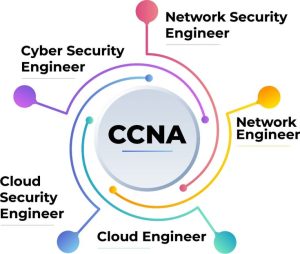
The knowledge gained from CCNA Security can support several career paths.

For instance, professionals may work as:

  • Network Engineers
  • Security Analysts
  • Systems Administrators
  • Security Administrators
  • Network Security Specialists
  • SOC Analysts
  • Cybersecurity Consultants

Furthermore, many of these roles are experiencing increasing demand across Nigeria and other African countries.

Why Choose Port Harcourt Data School?

Selecting the right training provider is just as important as choosing the right certification. Therefore, aspiring cybersecurity professionals should seek institutions that emphasize practical learning.

Port Harcourt Data School stands out as one of Africa’s leading technology training institutions. Moreover, the school focuses on developing industry ready skills through hands-on training.

Students benefit from:

  • Practical laboratory experience
  • Experienced instructors
  • Industry relevant curriculum
  • Certification preparation support
  • Career development guidance
  • Real world cybersecurity projects

In addition, the institution continuously updates its training programs to align with current industry demands.

Is CCNA Security Still Worth It in 2026?

Many people assume that because Cisco has updated its certification structure, CCNA Security has lost its value. However, this assumption is not entirely accurate.

While certification names may change, security principles remain largely the same. For example, organizations still need professionals who can configure firewalls, secure network devices, manage user access, and respond to security threats.

Furthermore, employers continue to prioritize practical skills over certification titles alone. Therefore, learning CCNA Security concepts remains beneficial for network engineers.

Future Opportunities for Nigerian Network Engineers

The future looks promising for professionals who combine networking and cybersecurity expertise.

Cloud computing adoption is increasing. Likewise, remote work environments continue to expand. Meanwhile, artificial intelligence, Internet of Things (IoT), and digital banking services are creating new security challenges.

Consequently, organizations will need more cybersecurity professionals than ever before. Furthermore, individuals with networking and security skills will likely enjoy stronger job security and career growth.

Therefore, investing in cybersecurity education today can provide long term career benefits.

Conclusion

CCNA Security Certification remains relevant because the skills it teaches are still needed in modern organizations. Although Cisco’s certification paths have evolved, the importance of network security has only increased.

Moreover, Nigerian organizations continue to face sophisticated cyber threats that require skilled professionals to address. Consequently, network engineers who understand cybersecurity can position themselves for greater career success.

Ultimately, learning security concepts is no longer optional for many IT professionals. Instead, it has become an essential component of a successful technology career.

For individuals seeking quality cybersecurity and networking education, Port Harcourt Data School provides the practical training, expert instruction, and industry focused learning environment needed to thrive in Africa’s growing technology sector.

CompTIA CySA+ And Security+: Which Certification First?

Cybersecurity continues to be one of the most rewarding career fields in today’s digital economy. Across industries, organizations are investing heavily in security professionals who can protect their systems from cyber threats. As a result, cybersecurity certifications have become more valuable than ever before.

Among the certifications available to aspiring professionals, CompTIA Security+ and CompTIA CySA+ stand out as two of the most respected options. Although both certifications focus on cybersecurity, each serves a different purpose. Therefore, understanding their differences is essential before choosing your learning path.

Many newcomers find themselves comparing these credentials. Others simply want to know which certification offers the best starting point. Fortunately, the answer becomes clearer when you examine the objectives of each certification.


Understanding CompTIA Security+

CompTIA Security+ is designed to provide foundational cybersecurity knowledge. Rather than focusing on advanced security operations, it introduces the essential concepts that every cybersecurity professional should understand.

Students who pursue Security+ learn about network security, risk management, identity management, cryptography, and security controls. In addition, the certification covers threat detection and incident response at a foundational level.

Because the certification is beginner friendly, many employers recognize it as proof of basic cybersecurity competence. Furthermore, Security+ is often recommended for individuals transitioning from general IT roles into cybersecurity positions.

Another advantage is its broad industry recognition. Consequently, Security+ holders can apply for various entry-level security jobs around the world.

For official certification information, visit www.comptia.org.

Understanding CompTIA CySA+

Unlike Security+, CompTIA CySA+ focuses on cybersecurity analysis and threat management. Instead of introducing basic concepts, it teaches professionals how to identify, investigate, and respond to security incidents.

Candidates learn how to analyse security logs, monitor network activity, assess vulnerabilities, and support incident response efforts. Moreover, the certification emphasizes practical skills that are highly relevant in modern security operations centres.

From a career perspective, CySA+ helps professionals move into analytical cybersecurity roles. As such, it is often considered a natural progression after gaining foundational security knowledge.

Since real-world scenarios are heavily featured throughout the curriculum, learners develop stronger problem-solving abilities. Consequently, many organizations value CySA+ when hiring security analysts.

Comparing Security+ and CySA+

Although both certifications belong to the CompTIA cybersecurity pathway, important distinctions exist between them.

Experience Requirements

Security+ is ideal for beginners entering the cybersecurity field. Because the exam focuses on foundational concepts, prior security experience is not mandatory.

CySA+, however, targets professionals who already understand cybersecurity fundamentals. Therefore, candidates with some hands-on experience often find the material easier to grasp.

While newcomers can technically attempt CySA+, a foundational certification usually makes preparation more manageable. For that reason, Security+ remains the preferred starting point for most learners.

Certification Focus

The primary focus of Security+ is cybersecurity awareness and foundational security practices. Topics include network defence, access control, governance, compliance, and risk management.

By contrast, CySA+ concentrates on security operations and threat analysis. Candidates must understand how to investigate suspicious activities and respond effectively to incidents.

Consequently, the learning objectives differ significantly. Whereas Security+ teaches security concepts, CySA+ emphasizes practical application.

Difficulty Level

Most learners consider Security+ easier because it introduces cybersecurity fundamentals. Since the content is broad rather than deeply technical, beginners can build confidence while studying.

CySA+, on the other hand, requires stronger analytical skills. Real-world security scenarios appear throughout the exam. Additionally, candidates must understand how different security technologies work together.

As a result, many professionals view CySA+ as more challenging than Security+.

Career Opportunities

After obtaining Security+, professionals may qualify for positions such as:

  • Security Administrator
  • Junior Security Analyst
  • Network Administrator
  • Systems Administrator
  • IT Security Specialist

Meanwhile, CySA+ can support advancement into roles such as:

  • SOC Analyst
  • Cybersecurity Analyst
  • Threat Intelligence Analyst
  • Incident Response Analyst
  • Vulnerability Analyst

Therefore, the certifications often support different stages of career development.

Which Certification Should You Study First?

For most aspiring cybersecurity professionals, Security+ should be the first certification.

A strong understanding of cybersecurity fundamentals creates the foundation for advanced learning. Without that foundation, more technical certifications can become difficult to master.

Moreover, Security+ introduces terminology that appears throughout the cybersecurity industry. Consequently, learners gain confidence when studying more advanced topics later.

CySA+ builds upon many concepts introduced in Security+. Because of this relationship, beginning with Security+ typically leads to better long-term results.

Another factor worth considering is exam preparation. While Security+ focuses on learning core concepts, CySA+ expects candidates to apply those concepts in practical situations.

Therefore, starting with Security+ is usually the smarter strategy.

Recommended Certification Roadmap

A structured certification pathway helps learners develop their skills progressively.

Consider the following roadmap:

  1. CompTIA Security+
  2. CompTIA CySA+
  3. CompTIA PenTest+
  4. CISSP
  5. CISM

Each certification expands upon previous knowledge. Furthermore, every step introduces new competencies that employers value.

By following this progression, professionals can steadily build expertise. Eventually, they become qualified for senior cybersecurity roles.

Why Choose Port Harcourt Data School?

Selecting the right training institution is critical for certification success. Fortunately, Port Harcourt Data School has built a reputation as one of Africa’s leading technology training institutions.

Through expert led instruction, students receive practical cybersecurity education that aligns with industry requirements. Additionally, hands on laboratory sessions help learners apply theoretical concepts to real world situations.

Experienced instructors guide students through certification preparation. Meanwhile, mentorship programs provide valuable career direction.

Beyond technical training, learners receive support that helps them stay focused on their professional goals. Consequently, students develop both knowledge and confidence.

Key benefits include:

  • Practical cybersecurity training
  • Industry experienced instructors
  • Certification focused curriculum
  • Flexible learning schedules
  • Career mentorship opportunities
  • Hands on lab environments

Because employers increasingly value practical skills, Port Harcourt Data School equips students with capabilities that extend beyond certification exams.

CONCLUSION

CompTIA Security+ and CompTIA CySA+ are both excellent cybersecurity certifications. Nevertheless, each certification serves a different purpose.

Security+ provides the foundational knowledge needed to understand cybersecurity concepts. Consequently, it remains the best starting point for beginners entering the field.

CySA+, by comparison, focuses on threat detection, security monitoring, and incident response. Therefore, it is better suited for individuals who already possess basic cybersecurity knowledge.

Ultimately, beginning with Security+ and progressing to CySA+ creates a logical and effective learning path. By taking this approach, professionals can strengthen their technical skills, improve their employability, and prepare for long-term career growth.

Most importantly, quality training from Port Harcourt Data School can make the journey smoother, faster, and more rewarding. With dedication, proper guidance, and practical experience, achieving success in cybersecurity becomes an attainable goal.

CISM and CISSP the Best Cybersecurity Cert for Salary

Cybersecurity has become one of the most rewarding career paths in Nigeria. As digital transformation continues across industries, organizations are investing heavily in protecting their systems, networks, and sensitive information. Because of this growing demand, cybersecurity certifications have become valuable assets for professionals seeking career advancement.

Among the certifications that stand out globally are CISM (Certified Information Security Manager) and CISSP (Certified Information Systems Security Professional). Both credentials are highly respected. However, each certification serves a different purpose. Consequently, many Nigerian professionals wonder which option offers better salary prospects and career opportunities.

If you are considering a cybersecurity certification, understanding the differences between CISM and CISSP can help you make an informed decision.

What Is CISM?

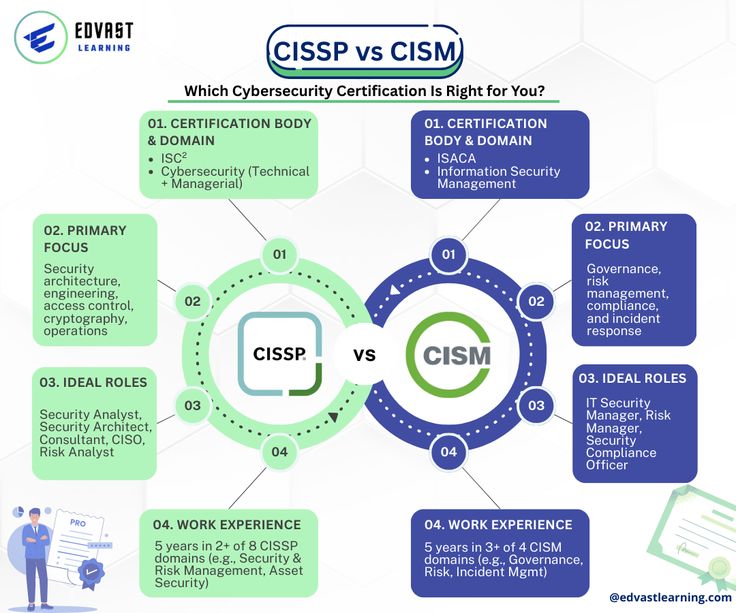
CISM is a professional certification offered by ISACA. Rather than focusing heavily on technical security operations, this certification emphasizes security governance, risk management, and leadership.

For that reason, CISM is often preferred by professionals who want to move into management positions. In other words, it prepares individuals to align cybersecurity initiatives with business objectives.

Topics Covered in CISM

The certification focuses on:

  • Information Security Governance
  • Information Risk Management
  • Information Security Programs
  • Incident Management

As a result, CISM certified professionals are equipped to manage security strategies and oversee organizational cybersecurity efforts.

What Is CISSP?

Unlike CISM, CISSP provides a broader understanding of cybersecurity concepts and practices. This certification is offered by ISC2 and is recognized by employers around the world.

Not only does CISSP cover management principles, but it also explores technical cybersecurity domains. Therefore, it is often viewed as one of the most comprehensive certifications in the industry.

Core CISSP Domains

Professionals preparing for CISSP study:

  • Security and Risk Management
  • Asset Security
  • Security Architecture and Engineering
  • Communication and Network Security
  • Identity and Access Management
  • Security Assessment and Testing
  • Security Operations
  • Software Development Security

Because these domains cover a wide range of topics, CISSP holders can pursue numerous cybersecurity career paths.

Comparing CISM and CISSP

Although both certifications are respected globally, several distinctions set them apart.

Feature CISM CISSP
Main Focus Security Management Technical and Strategic Security
Issuing Organization ISACA ISC2
Career Direction Leadership and Governance Technical and Leadership Roles
Target Audience Managers and Leaders Security Professionals
Scope Specialized Management Broad Cybersecurity Knowledge

While CISM concentrates on managing security programs, CISSP delivers a broader understanding of cybersecurity technologies and frameworks. As such, the choice often depends on your professional interests.

Which Certification Pays More in Nigeria?

Salary remains one of the most important considerations when pursuing a certification. Nevertheless, earnings are influenced by multiple factors, including years of experience, industry sector, job responsibilities, and employer size.

Even so, both certifications can lead to lucrative careers.

CISSP Salary Expectations

Many employers view CISSP as proof of advanced cybersecurity expertise. Consequently, certified professionals often qualify for high-level technical and consulting roles.

Estimated annual salaries include:

  • Entry to Mid-Level Professionals: ₦8 million – ₦15 million
  • Senior Security Specialists: ₦15 million – ₦30 million
  • Security Architects and Executives: ₦30 million and above

Furthermore, multinational corporations frequently prioritize CISSP certified candidates when recruiting cybersecurity experts.

CISM Salary Expectations

On the management side, CISM holders are often entrusted with strategic security responsibilities. Therefore, their compensation packages can be equally attractive.

Estimated annual salaries include:

  • Information Security Managers: ₦10 million – ₦20 million
  • Risk Management Professionals: ₦12 million – ₦25 million
  • Senior Cybersecurity Executives: ₦20 million and above

In many cases, experienced CISM professionals earn salaries that rival or exceed those of CISSP holders. Ultimately, leadership responsibilities tend to command higher compensation.

Industry Demand Across Nigeria

Today, cybersecurity skills are needed in nearly every sector. Meanwhile, organizations continue to face evolving cyber threats. As a consequence, demand for certified professionals remains strong.

Industries Seeking CISM Professionals

  • Banking and Finance
  • Telecommunications
  • FinTech Companies
  • Government Institutions
  • Oil and Gas Organizations

Industries Seeking CISSP Professionals

  • Technology Companies
  • Cybersecurity Firms
  • Cloud Service Providers
  • Financial Institutions
  • Consulting Organizations

Moreover, the expansion of digital services throughout Nigeria has created additional opportunities for cybersecurity experts.

Which Certification Is Right for You?

Before choosing a certification, consider your long-term career goals.

If you aspire to lead teams, manage risk, and influence business decisions, CISM may be the better option.

By contrast, CISSP could be ideal if you enjoy technical security challenges and want expertise across multiple cybersecurity disciplines.

Another factor worth considering is future growth. Many professionals start with one certification and later obtain the other. Consequently, they become qualified for both technical and executive positions.

Why Study at Port Harcourt Data School?

Achieving certification success requires quality training and expert guidance. Fortunately, Port Harcourt Data School provides both.

Recognized as one of Africa’s leading technology training institutions, Port Harcourt Data School offers practical cybersecurity education designed to prepare students for globally recognized certifications.

Students benefit from:

  • Industry experienced instructors
  • Practical cybersecurity laboratories
  • Exam focused preparation
  • Career mentoring and support
  • Flexible learning schedules

Additionally, learners gain hands on experience that helps them perform confidently in professional environments.

CONCLUSION

Without question, both CISM and CISSP can significantly increase your earning potential in Nigeria. On one hand, CISSP opens doors to advanced technical and consulting roles. On the other hand, CISM positions professionals for leadership and management opportunities.

Therefore, neither certification is universally better than the other. Instead, the ideal choice depends on your career aspirations, interests, and professional background.

Regardless of the path you choose, investing in cybersecurity education can transform your career. More importantly, receiving quality training from Port Harcourt Data School can provide the knowledge, practical skills, and confidence needed to achieve certification success and secure high-paying cybersecurity positions.

For official certification details, visit ISC2 Certifications.

CISSP Exam the Best Way to Pass in Nigeria

The Certified Information Systems Security Professional (CISSP) certification is one of the most respected cybersecurity credentials in the world. Today, cybersecurity professionals across various industries pursue this certification because it demonstrates advanced knowledge of information security. Moreover, many employers prefer candidates who possess globally recognized certifications such as CISSP.

For Nigerian professionals, obtaining the CISSP certification can significantly improve career opportunities. In addition, it can increase earning potential and create pathways to leadership positions in cybersecurity. Therefore, understanding how to prepare effectively for the exam is essential.

In this article, you will learn about the CISSP exam, discover a practical study plan, and explore proven tips that can help you pass the examination successfully.

What Is the CISSP Certification?

The CISSP certification is offered by ISC², a globally recognized cybersecurity organization. Specifically, the certification validates a professional’s ability to design, implement, and manage enterprise security programs.

Furthermore, the CISSP exam covers eight important cybersecurity domains. These domains include:

  • Security and Risk Management
  • Asset Security
  • Security Architecture and Engineering
  • Communication and Network Security
  • Identity and Access Management (IAM)
  • Security Assessment and Testing
  • Security Operations
  • Software Development Security

Additionally, candidates are encouraged to understand how these domains work together in real world security environments.

For more information, visit the official CISSP certification page at https://www.isc2.org/certifications.

Why CISSP Is Valuable for Nigerian Professionals

Cybersecurity threats continue to evolve across Nigeria and around the world. As a result, organizations are investing more resources in protecting their digital assets. Consequently, the demand for qualified cybersecurity professionals has increased significantly.

By earning the CISSP certification, professionals can:

  • Gain international recognition
  • Qualify for senior cybersecurity roles
  • Increase professional credibility
  • Improve security management skills
  • Access global job opportunities

Moreover, many multinational organizations consider CISSP a preferred qualification for leadership positions. Therefore, obtaining the certification can provide a competitive advantage in the job market.

Understanding the CISSP Exam

Before beginning your preparation, it is important to understand the structure of the exam. Although the CISSP exam contains technical concepts, it also emphasizes risk management and business decision making.

Therefore, candidates must learn to think from both technical and managerial perspectives. In other words, success requires more than memorizing definitions. Instead, you must understand how security principles are applied in practical situations.

Furthermore, many exam questions are scenario-based. As a result, critical thinking and analytical skills become extremely important.

A CISSP Study Plan

Learn the CISSP Domains

First, spend time understanding the eight CISSP domains. During this phase, focus on gaining a broad understanding of cybersecurity concepts.

Additionally, identify areas where you already have experience and areas that require more attention.

Your objectives should include:

  • Reviewing exam objectives
  • Creating a study timetable
  • Understanding key concepts
  • Gathering study resources

As a result, you will establish a strong foundation for future learning.

Study Core Concepts in Depth

Next, begin a deeper study of each domain. For example, you may choose to study two domains each week.

Meanwhile, take detailed notes and summarize important concepts in your own words. Furthermore, watch educational videos and participate in cybersecurity discussions whenever possible.

By doing so, you will improve both understanding and retention.

Practice Questions and Revision

Once you have completed the main study phase, focus on revision and practice questions.

Specifically, you should:

  • Complete daily practice tests
  • Review incorrect answers
  • Revisit weak topics
  • Strengthen understanding of security frameworks

Consequently, you will become more familiar with the exam format and question style.

Moreover, regular practice helps reduce anxiety before the actual examination.

Mock Exams and Final Preparation

Finally, dedicate the last month to full exam simulations.

During this stage:

  • Take timed mock examinations
  • Improve time management skills
  • Review summary notes
  • Focus on weak areas

Furthermore, avoid overwhelming yourself with entirely new topics. Instead, concentrate on reinforcing existing knowledge.

As a result, you will enter the exam with greater confidence.

Essential CISSP Exam Tips

Follow a Consistent Study Schedule

Consistency is one of the most important factors in exam preparation. Instead of studying occasionally, create a routine that allows you to learn regularly.

For example:

  • Study 1–2 hours on weekdays
  • Study 3–4 hours on weekends

Consequently, you will retain information more effectively.

Focus on Understanding Rather Than Memorization

Many candidates make the mistake of memorizing information without understanding it. However, CISSP questions often test practical decision-making.

Therefore, focus on understanding:

  • Why security controls are implemented
  • How risks are managed
  • When security policies should be applied

As a result, you will perform better in scenario-based questions.

Use Multiple Study Resources

Although textbooks are valuable, they should not be your only resource.

In addition to study guides, consider:

  • Video courses
  • Practice exams
  • Security blogs
  • Online communities
  • Training programs

Furthermore, using different learning methods helps reinforce knowledge from multiple perspectives.

Practice Questions Every Day

Practice questions are extremely beneficial because they reveal weaknesses in your understanding.

Moreover, they improve familiarity with exam wording and structure.

Therefore, make daily practice a key part of your preparation strategy.

Think Like a Security Leader

One unique feature of the CISSP exam is its management-oriented approach.

Consequently, candidates should focus on:

  • Risk reduction
  • Business objectives
  • Security governance
  • Organizational impact

In many cases, the best answer is not the most technical solution but the one that best supports business goals.

Join a Study Community

Studying alone can sometimes become difficult. Therefore, joining a study group can provide additional motivation and support.

Furthermore, discussing cybersecurity topics with others can help clarify difficult concepts.

As a result, you’re learning experience becomes more effective and engaging.

Common Mistakes to Avoid

While preparing for the CISSP exam, avoid the following mistakes:

  • Starting preparation too late
  • Ignoring practice exams
  • Memorizing without understanding
  • Neglecting difficult domains
  • Studying inconsistently

Unfortunately, these mistakes often contribute to exam failure. However, proper planning can help you avoid them.

Why Choose Port Harcourt Data School for CISSP Preparation?

Preparing for the CISSP exam can be challenging. Therefore, choosing the right training institution is extremely important.

Port Harcourt Data School has established itself as one of the leading technology training institutions in Africa. Moreover, the school is committed to helping students develop practical cybersecurity skills that align with industry requirements.

Students benefit from:

  • Experienced cybersecurity instructors
  • Hands on practical training
  • Career focused mentorship
  • Industry relevant curriculum
  • Supportive learning environment

Furthermore, learners receive guidance that helps them prepare for globally recognized certifications and real-world cybersecurity challenges.

Consequently, graduates are better positioned for success in the cybersecurity industry.

Conclusion

The CISSP certification remains one of the most valuable credentials for cybersecurity professionals. Although the exam can be challenging, success is achievable with proper preparation and dedication.

By following a structured study plan, practicing consistently, and focusing on understanding security concepts, Nigerian candidates can improve their chances of passing the exam.

Most importantly, choose quality training and remain committed to your goals. Ultimately, with the right preparation and support from Port Harcourt Data School, you can earn your CISSP certification and advance your cybersecurity career to the next level.

1 2 3 5
Hi, How Can We Help You?
Welcome To
Portharcourt Data School

Artificial Intelligence (AI) and Robotics Programmes Are Now Available!

Enroll Now!

Thank You
100% secure website.