
The demand for cybersecurity professionals continues to grow across Nigeria. As businesses become more dependent on technology, protecting networks has become a top priority. Consequently, network engineers are expected to possess not only networking skills but also cybersecurity knowledge. This is one reason why CCNA Security Certification has remained a popular topic among IT professionals looking to strengthen their network security skills.
CCNA Security was developed by Cisco to help networking professionals understand how to secure network infrastructures against cyber threats. Although Cisco has updated its certification pathways over the years, the concepts and practical skills associated with CCNA Security remain highly relevant. Therefore, many Nigerian network engineers still consider it a valuable learning path for career growth.
Furthermore, organizations across banking, telecommunications, healthcare, and government sectors continue to seek professionals who can protect critical systems and data. As a result, network engineers with security knowledge often enjoy better job opportunities and career advancement prospects.
At Port Harcourt Data School, one of Africa’s leading technology institutions, students receive practical cybersecurity and networking training that prepares them for today’s competitive job market. Moreover, the school equips learners with the skills needed to succeed in an increasingly security-focused technology industry.
Understanding CCNA Security
CCNA Security was designed to help networking professionals develop security skills that complement their networking knowledge. Specifically, the certification focused on protecting Cisco based networks from various cyber threats.
The curriculum covered several important topics, including:
- Network security fundamentals
- Firewall configuration
- Access control implementation
- VPN technologies
- Threat mitigation techniques
- Secure network management
Although Cisco has integrated many security topics into newer certification programs, the knowledge gained from CCNA Security remains useful. Therefore, professionals who understand these concepts continue to be valuable assets to organizations.
For detailed information about Cisco certifications, visit https://www.cisco.com.
Why Security Skills Are More Important Than Ever
Technology is transforming nearly every industry in Nigeria. For example, banks now provide digital services, educational institutions use online learning platforms, and businesses increasingly depend on cloud-based applications.
As a result, cybercriminals have more opportunities to target organizations. Consequently, businesses need skilled professionals who can identify vulnerabilities and implement security controls.
Moreover, many employers now prefer network engineers who possess cybersecurity knowledge. In addition, professionals with security expertise often enjoy greater career flexibility and advancement opportunities.
Therefore, combining networking and security skills has become a smart career strategy.
The Growing Cybersecurity Landscape in Nigeria
Nigeria’s digital economy continues to expand rapidly. However, this growth has also increased cybersecurity risks.
Rising Cyber Threats
Organizations regularly face cyber threats such as phishing attacks, malware infections, and ransomware incidents. Furthermore, attackers are constantly developing new methods to exploit security weaknesses.
Increased Regulatory Requirements
Businesses must also comply with various data protection and cybersecurity regulations. Consequently, organizations need professionals who understand both network operations and security best practices.
Expanding Digital Services
Meanwhile, sectors such as banking, telecommunications, healthcare, and e-commerce continue to expand their digital services. As these industries grow, so does the need for skilled cybersecurity professionals.
Therefore, network engineers with security knowledge are becoming increasingly valuable.
Benefits of Learning CCNA Security Concepts
Improved Career Opportunities
Employers consistently seek candidates who can perform multiple roles. Therefore, a network engineer who understands cybersecurity often has a competitive advantage during recruitment.
Higher Earning Potential
Cybersecurity expertise can contribute to better-paying job opportunities. Furthermore, organizations are willing to invest in professionals who can help protect critical business assets.
Strong Technical Foundation
CCNA Security provides a solid understanding of essential security principles. As a result, learners can more easily pursue advanced cybersecurity certifications in the future.
Industry Recognition
Cisco certifications are respected around the world. Consequently, employers often view Cisco trained professionals as capable of handling real world networking and security challenges.
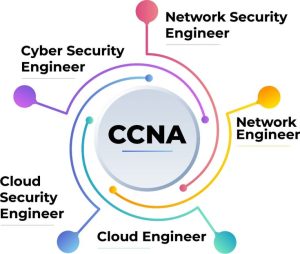
Career Paths After Learning CCNA Security
The knowledge gained from CCNA Security can support several career paths.
For instance, professionals may work as:
- Network Engineers
- Security Analysts
- Systems Administrators
- Security Administrators
- Network Security Specialists
- SOC Analysts
- Cybersecurity Consultants
Furthermore, many of these roles are experiencing increasing demand across Nigeria and other African countries.
Why Choose Port Harcourt Data School?
Selecting the right training provider is just as important as choosing the right certification. Therefore, aspiring cybersecurity professionals should seek institutions that emphasize practical learning.
Port Harcourt Data School stands out as one of Africa’s leading technology training institutions. Moreover, the school focuses on developing industry ready skills through hands-on training.
Students benefit from:
- Practical laboratory experience
- Experienced instructors
- Industry relevant curriculum
- Certification preparation support
- Career development guidance
- Real world cybersecurity projects
In addition, the institution continuously updates its training programs to align with current industry demands.
Is CCNA Security Still Worth It in 2026?
Many people assume that because Cisco has updated its certification structure, CCNA Security has lost its value. However, this assumption is not entirely accurate.
While certification names may change, security principles remain largely the same. For example, organizations still need professionals who can configure firewalls, secure network devices, manage user access, and respond to security threats.
Furthermore, employers continue to prioritize practical skills over certification titles alone. Therefore, learning CCNA Security concepts remains beneficial for network engineers.
Future Opportunities for Nigerian Network Engineers
The future looks promising for professionals who combine networking and cybersecurity expertise.
Cloud computing adoption is increasing. Likewise, remote work environments continue to expand. Meanwhile, artificial intelligence, Internet of Things (IoT), and digital banking services are creating new security challenges.
Consequently, organizations will need more cybersecurity professionals than ever before. Furthermore, individuals with networking and security skills will likely enjoy stronger job security and career growth.
Therefore, investing in cybersecurity education today can provide long term career benefits.
Conclusion
CCNA Security Certification remains relevant because the skills it teaches are still needed in modern organizations. Although Cisco’s certification paths have evolved, the importance of network security has only increased.
Moreover, Nigerian organizations continue to face sophisticated cyber threats that require skilled professionals to address. Consequently, network engineers who understand cybersecurity can position themselves for greater career success.
Ultimately, learning security concepts is no longer optional for many IT professionals. Instead, it has become an essential component of a successful technology career.
For individuals seeking quality cybersecurity and networking education, Port Harcourt Data School provides the practical training, expert instruction, and industry focused learning environment needed to thrive in Africa’s growing technology sector.