

The Best Google Cybersecurity Certificate Worth in Nigeria?

The Google Cybersecurity Certificate has become one of the most popular entry-level cybersecurity certifications for people looking to start a career in technology. In Nigeria, where the demand for cybersecurity professionals continues to grow, many job seekers are asking whether this Google-backed credential can help them secure employment. Offered through Coursera, the program is designed to teach practical cybersecurity skills without requiring a university degree or previous experience.

At the same time, cybersecurity has become one of the fastest growing fields in Nigeria and across the world. As cyber threats increase, organizations need skilled professionals who can protect their networks, systems, and sensitive information. Therefore, many aspiring tech professionals are searching for affordable and recognized certifications that can help them enter the industry.

However, an important question remains: Can the Google Cybersecurity Certificate help you get hired in Nigeria?

In this article, we will examine the value of the Google Cybersecurity Certificate, its advantages, its limitations, and how it can fit into your cybersecurity career journey. We will also discuss how practical training from institutions such as Port Harcourt Data School can improve your chances of getting hired in Nigeria’s competitive technology sector.

What Is the Google Cybersecurity Certificate?

The Google Cybersecurity Certificate is an online training program developed by Google and delivered through Coursera. It was created to help beginners learn the fundamentals of cybersecurity and prepare for entry level roles.

The program covers topics such as:

  • Cybersecurity principles
  • Network security
  • Linux operating systems
  • Security tools and technologies
  • Threat detection
  • Incident response
  • Risk management
  • Security auditing

Students can learn at their own pace and earn a certificate after completing the program.

You can learn more about the program through Coursera: Coursera Cybersecurity Certificate

Why Is the Certificate Popular?

The Google Cybersecurity Certificate has become popular for several reasons.

First, it is designed for beginners. Therefore, individuals with no previous cybersecurity experience can start learning immediately.

Second, the course focuses on practical skills rather than theory alone. As a result, students gain hands-on exposure to cybersecurity concepts.

Furthermore, the training is flexible. Learners can study from anywhere in Nigeria while balancing work, school, or other responsibilities.

In addition, Google is a globally recognized company. Consequently, many employers are familiar with the brand and appreciate the effort required to complete the program.

Can It Help You Get Hired in Nigeria?

The short answer is yes, but it is not a guarantee.

The certificate can help you stand out when applying for entry level cybersecurity positions. It demonstrates that you have invested time in learning cybersecurity fundamentals and developing technical skills.

However, employers in Nigeria often look for more than just certifications. They also want practical experience, problem solving abilities, and hands on skills.

Therefore, while the Google Cybersecurity Certificate can strengthen your CV, it should be viewed as a starting point rather than the final step in your cybersecurity journey.

What Nigerian Employers Look For

Many organizations in Nigeria are expanding their cybersecurity teams. These organizations include:

  • Banks
  • Fintech companies
  • Telecommunications companies
  • Government agencies
  • Oil and gas firms
  • Technology startups

Although certifications are valuable, employers usually consider several factors, including:

Technical Skills

Employers want candidates who understand networking, operating systems, security tools, and threat management.

Practical Experience

Hands on experience is highly valued. Therefore, candidates who have worked on projects or cybersecurity labs often have an advantage.

Problem Solving Ability

Cybersecurity professionals must identify and solve security challenges. Consequently, analytical thinking is an important skill.

Continuous Learning

The cybersecurity industry changes rapidly. As a result, employers prefer candidates who continue learning and updating their skills.

The Limitations of the Google Cybersecurity Certificate

Although the certificate offers many benefits, it also has some limitations.

First, it is considered an entry level credential. Therefore, advanced cybersecurity roles may require additional certifications and experience.

Second, practical exposure may still be limited compared to real-world cybersecurity environments.

Moreover, some employers may prioritize certifications such as:

  • CompTIA Security+
  • CompTIA CySA+
  • Certified Ethical Hacker (CEH)
  • CISSP
  • CISM

Nevertheless, the Google Cybersecurity Certificate remains an excellent foundation for beginners.

How to Increase Your Chances of Getting Hired

Completing the certificate is only one part of building a successful cybersecurity career.

To improve your employability, consider the following steps:

Build Practical Projects

Create cybersecurity projects that demonstrate your skills. For example, you can set up a home lab, practice network monitoring, or perform vulnerability assessments.

Learn Linux

Linux is widely used in cybersecurity. Therefore, developing Linux skills can make you more competitive.

Gain Additional Certifications

After completing the Google Cybersecurity Certificate, you can pursue advanced certifications that align with your career goals.

Develop a Professional Portfolio

A portfolio helps employers see your practical abilities. In addition, it provides evidence of your learning journey.

Join Cybersecurity Communities

Networking can open doors to internships, mentorship opportunities, and job openings.

Why Training Matters

While online certifications provide valuable knowledge, structured training can accelerate career growth.

This is where Port Harcourt Data School stands out. Recognized as one of the leading technology training institutions in Africa, Port Harcourt Data School equips students with practical, industry focused skills that employers demand.

Students receive guidance from experienced instructors while working on real world projects. Furthermore, the institution emphasizes hands-on learning, helping learners bridge the gap between theory and practice.

As cybersecurity continues to grow in Nigeria, practical training from reputable institutions can significantly improve job readiness.

Is the Google Cybersecurity Certificate Worth It?

For most beginners, the answer is yes.

The Google Cybersecurity Certificate provides a solid introduction to cybersecurity concepts and tools. Additionally, it helps learners build confidence and develop foundational skills.

However, success in cybersecurity depends on more than earning a certificate. Practical experience, continuous learning, networking, and professional development remain essential.

Therefore, students should use the certificate as a stepping stone toward a broader cybersecurity career path.

Conclusion

The Google Cybersecurity Certificate can help you get hired in Nigeria, especially if you are starting your cybersecurity journey. It demonstrates commitment, introduces key cybersecurity concepts, and provides valuable technical knowledge.

Nevertheless, employers often seek candidates who combine certifications with practical experience and strong problem-solving skills. Consequently, aspiring cybersecurity professionals should continue building projects, gaining experience, and pursuing further training.

By combining the Google Cybersecurity Certificate with hands on education from institutions such as Port Harcourt Data School, learners can position themselves for greater success in Nigeria’s growing cybersecurity industry.

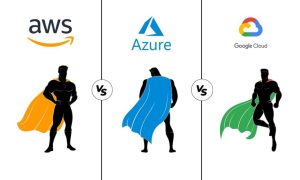
AWS vs Azure vs Google Cloud: Which Security Is Best?

AWS security has become a major consideration for Nigerian businesses because cloud computing now powers websites, applications, databases, and enterprise systems. As organizations continue migrating to cloud platforms, security concerns also increase. Therefore, business owners, IT professionals, and cybersecurity teams often ask an important question: Which cloud provider offers the strongest security?

Imagine spending years building a successful company only to experience a data breach that exposes customer information. Meanwhile, your competitors continue operating smoothly because they invested in stronger cloud security solutions. Consequently, choosing the right cloud platform becomes a critical business decision.

Naturally, one important question appears:

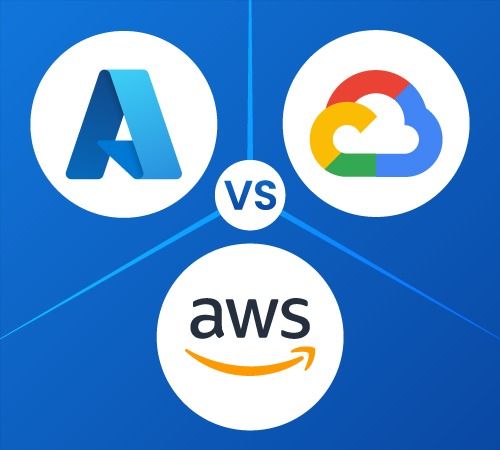
Should Nigerian businesses choose AWS, Microsoft Azure, or Google Cloud for better security?

The answer depends on business needs, security requirements, compliance goals, and technical expertise.

If terms such as cloud encryption, identity management, compliance controls, and threat detection sound complicated, do not worry. This guide explains everything in simple language.

Why Cloud Security Matters in Nigeria

Businesses across Nigeria increasingly depend on digital infrastructure. Therefore, protecting online resources has become more important than ever.

Several cyber risks continue affecting organizations:

  • Data breaches
  • Account compromise
  • Ransomware attacks
  • Insider threats
  • Service disruptions
  • Unauthorized access

Because of these threats, companies must evaluate security before selecting a cloud provider.

Understanding AWS Security

Amazon Web Services remains one of the largest cloud platforms in the world.

Moreover, AWS offers a wide range of security tools designed for businesses of all sizes.

Key AWS security features include:

Identity and Access Management

AWS allows organizations to control who accesses resources.

Consequently, businesses can reduce unauthorized access risks.

Advanced Encryption

Data can remain protected both during storage and transmission.

Therefore, sensitive information receives stronger protection.

Security Monitoring

AWS provides monitoring services that help identify suspicious activities.

As a result, security teams can respond quickly to potential threats.

Compliance Support

Many organizations must meet regulatory requirements.

Therefore, AWS provides compliance tools that support different standards.

Understanding Microsoft Azure Security

Microsoft Azure remains popular among organizations that already use Microsoft products.

Furthermore, Azure provides strong security capabilities for enterprise environments.

Microsoft Defender Integration

Azure integrates with Microsoft’s security ecosystem.

Consequently, businesses gain broader visibility across systems.

Threat Intelligence

Microsoft collects security information from global networks.

Therefore, Azure can identify many emerging threats.

Identity Protection

Azure Active Directory helps organizations manage authentication securely.

As a result, user access becomes easier to control.

Hybrid Security Support

Many businesses use both cloud and on-premises systems.

Therefore, Azure provides strong hybrid security capabilities.

Understanding Google Cloud Security

Google Cloud continues growing because of its focus on innovation and infrastructure security.

Additionally, Google’s experience managing large-scale internet services contributes to its security strengths.

Secure Infrastructure Design

Google designed its infrastructure with security as a priority.

Consequently, organizations benefit from strong foundational protection.

Advanced Threat Detection

Google Cloud uses intelligent security systems to identify suspicious activities.

Therefore, businesses can respond faster to threats.

Data Encryption

Information receives encryption protection by default.

As a result, data security improves significantly.

Security Analytics

Organizations gain visibility into security events through advanced monitoring tools.

Consequently, decision-making becomes easier.

AWS vs Azure vs Google Cloud Security Comparison

Best for Enterprise Businesses

Azure often performs strongly for large organizations already using Microsoft technologies.

Best for Flexibility

AWS provides extensive security services and customization options.

Therefore, businesses with diverse needs often consider AWS.

Best for Innovation

Google Cloud offers advanced infrastructure and security technologies.

Consequently, technology-focused organizations may find it attractive.

Best for Beginners

AWS and Azure generally provide more training resources and larger user communities.

As a result, learning becomes easier for many newcomers.

Which Cloud Platform Is Best for Nigeria?

The best choice depends on specific business goals.

For example:

  • Startups may value flexibility and affordability.
  • Large enterprises may prioritize integration capabilities.
  • Technology-focused companies may seek advanced innovation tools.

Therefore, there is no single answer for every organization.

However, all three providers offer strong security frameworks when configured correctly.

Frequently Asked Questions

Is AWS Security Better Than Azure Security?

Not necessarily. Both platforms offer strong security capabilities. The better option depends on business requirements.

Which Cloud Provider Is Easier to Learn?

Many beginners find AWS easier because of its extensive learning resources and large community.

Does Google Cloud Offer Strong Security?

Yes. Google Cloud provides advanced security features, encryption, and threat detection capabilities.

Which Platform Should Nigerian Businesses Choose?

Organizations should evaluate budget, infrastructure needs, compliance requirements, and technical expertise before deciding.

Why Cloud Security Skills Matter Today

Cloud adoption continues increasing across Africa and globally. Therefore, employers actively search for professionals who understand cloud platforms and cybersecurity.

Several career opportunities include:

Consequently, cloud security knowledge can create valuable career opportunities.

Why Learners Choose Port Harcourt Data School

Technology professionals need practical skills rather than theory alone. Therefore, many aspiring IT professionals choose Port Harcourt Data School while building cloud and cybersecurity expertise.

Exposure to Multiple Cloud Technologies

Students learn concepts that apply across different cloud environments.

Consequently, they gain broader industry knowledge.

Learning Aligned With Industry Demand

Technology employers increasingly seek practical cloud skills.

Therefore, training focuses on relevant market needs.

Supportive Technology Ecosystem

Students interact with individuals pursuing similar career goals.

As a result, collaboration strengthens learning outcomes.

Focus on Emerging Technologies

Cloud computing, cybersecurity, and data technologies continue shaping the future.

Therefore, learners gain exposure to growing technology sectors.

Professional Development Mindset

Training focuses on helping students build long-term career value.

Consequently, learners prepare for opportunities beyond entry-level roles.

Build Your Cloud Security Knowledge Today

Cloud security continues influencing how modern organizations protect data, applications, and digital infrastructure. Therefore, understanding AWS, Azure, and Google Cloud security can help businesses make smarter decisions.

Meanwhile, professionals who develop cloud security expertise remain highly valuable in today’s technology industry.

If you want practical technology training and industry-focused cloud computing education, explore Port Harcourt Data School today.

Visit: https://portharcourtdataschool.com/

At the end of the day, keeping your cloud data safe comes down to one thing: getting the right tech skills and never stopping learning.

The best way to understand HTTPS, TLS and SSL

The internet has become an important part of our daily lives. Every day, people browse websites, shop online, send emails, and make digital payments. However, many users do not understand how websites protect their personal information. This is where HTTPS, TLS, and SSL play a major role.

When you visit a secure website, these technologies work together to protect your data. As a result, hackers find it much harder to steal sensitive information. In this guide, you will learn how HTTPS works and why TLS and SSL are important for online security.

What Is HTTPS?

HTTPS stands for Hypertext Transfer Protocol Secure. It is the secure version of HTTP, which websites use to communicate with web browsers.

When a website uses HTTPS, it encrypts the data that travels between your browser and the website. Therefore, unauthorized users cannot easily read or steal that information.

You can identify an HTTPS website by looking for the padlock icon in your browser’s address bar. This icon shows that the website uses a secure connection.

What Is SSL?

SSL stands for Secure Sockets Layer. Developers created SSL to secure internet communications.

Although SSL helped protect websites in the past, experts later discovered security weaknesses in older SSL versions. Consequently, the industry adopted a stronger security protocol called TLS.

Today, people still use the term “SSL certificate,” even though most websites actually use TLS technology.

What Is TLS?

TLS stands for Transport Layer Security. It protects data as it moves across the internet.

TLS encrypts information, verifies website identities, and prevents attackers from changing data during transmission. As a result, users can communicate with websites more safely.

Furthermore, TLS provides stronger security than SSL. Therefore, modern websites rely on TLS to protect online communications.

How Does HTTPS Work?

HTTPS follows a simple process to create a secure connection.

Your Browser Requests a Connection

First, your browser sends a request to the website server.

Next, the server responds and prepares to establish a secure connection.

The Website Sends a Certificate

The website sends an SSL/TLS certificate to your browser.

This certificate proves the website’s identity and contains important security information. Consequently, your browser can verify that the website is genuine.

TLS Creates a Secure Connection

After verification, your browser and the website perform a TLS handshake.

During this process, they agree on encryption methods and generate secure keys. As a result, they create a protected communication channel.

Data Gets Encrypted

Once the secure connection is ready, HTTPS encrypts all transmitted data.

For example, it protects passwords, banking details, personal information, and login credentials. Therefore, cybercriminals cannot easily intercept the information.

Secure Communication Continues

Finally, the browser and website continue exchanging encrypted information throughout the session.

As long as HTTPS remains active, your data stays protected.

Why Is HTTPS Important?

HTTPS offers several important benefits.

Protects Sensitive Information

HTTPS encrypts user data before transmission. Therefore, hackers cannot easily read private information.

Builds User Trust

The padlock icon reassures visitors that the website values security. As a result, users often trust HTTPS websites more.

Improves Search Engine Rankings

Search engines prefer secure websites. Consequently, HTTPS can help improve a website’s SEO performance.

Prevents Data Manipulation

HTTPS helps ensure that attackers cannot modify data while it travels between users and websites.

Therefore, users receive accurate and unchanged information.

HTTPS vs HTTP

Feature HTTP HTTPS
Encryption No Yes
Security Basic Advanced
User Trust Lower Higher
SEO Benefits Limited Better
Data Protection Weak Strong

Because of these advantages, most modern websites now use HTTPS.

Can HTTPS Fully Protect You?

HTTPS provides strong security, but it cannot solve every cybersecurity problem.

For example, scammers can still create fake websites with HTTPS certificates. Therefore, users should remain cautious when browsing online.

In addition, users should verify website addresses, avoid suspicious links, and follow cybersecurity best practices.

Learn Cybersecurity at Port Harcourt Data School

Technology continues to create new opportunities across different industries. Therefore, cybersecurity knowledge has become increasingly valuable.

Port Harcourt Data School equips students with practical technology skills that employers demand. The institution offers training in Cybersecurity, Data Analysis, Artificial Intelligence, Data Science, Machine Learning, Cloud Computing, and other digital technologies.

Furthermore, students gain hands on experience through practical projects. As a result, they develop skills that prepare them for real world careers.

To learn more about available programs, visit www.aischoolnigeria.com.

Conclusion

HTTPS protects websites and users by creating secure connections. It uses TLS, the modern successor to SSL, to encrypt data and safeguard online communications.

Moreover, HTTPS improves trust, strengthens security, and supports better search engine rankings. Therefore, website owners should implement HTTPS, and internet users should understand its importance.

Ultimately, learning how HTTPS works provides a strong foundation for understanding cybersecurity and modern web security.

The Best Way Public Key Infrastructure (PKI) Work in SSL

What Is PKI (Public Key Infrastructure)?

Public Key Infrastructure, or PKI, is a system of rules, technologies, and processes that helps secure communication over the internet. Think of it like a digital passport system it verifies that websites and users are who they claim to be.

PKI uses a combination of:

Encryption; scrambling data so only the right person can read it

Digital certificates; like an ID card for websites and users

Certificate Authorities (CAs); trusted organizations that issue those ID cards

Without PKI, anyone could pretend to be your bank, your email provider, or your favourite shopping site. PKI makes that nearly impossible.

Why Does PKI Matter?

Imagine you walk into a bank to withdraw money. The teller checks your ID before giving you anything. PKI does the same thing online it checks the “ID” of a website before your browser exchanges any sensitive information with it.

Every time you:

Log into your email

Make an online payment

Access a school portal

Send a WhatsApp message

PKI and encryption are working behind the scenes to keep you safe.

What Is an SSL Certificate?

An SSL Certificate (Secure Sockets Layer) now technically called a TLS Certificate (Transport Layer Security) is a small digital file that:

Proves a website’s identity

Enables encrypted (secure) communication between your browser and the website

When a website has a valid SSL certificate, your browser shows a padlock icon, and the URL begins with https:// (the “s” stands for secure).

⚠️ Warning: Never enter your personal information, passwords, or payment details on a website that doesn’t have the padlock. It’s like handing your wallet to a stranger.

How Does an SSL Certificate Work?

Here’s what happens in milliseconds when you visit a secure website:

Your Browser Says “Hello”

Your browser (Chrome, Firefox, etc.) contacts the website’s server and says, “I want to connect securely. Here are the encryption methods I support.”

The Server Responds

The server replies with its SSL Certificate, which includes its public key   a special code used for encryption.

Your Browser Verifies the Certificate

Your browser checks:

Is this certificate issued by a trusted Certificate Authority (CA)?

Has it expired?

Does it belong to this exact website?

If all checks pass great! If not, your browser shows a big red warning.

The Handshake Creating a Shared Secret

Your browser and the server use a process called the TLS Handshake to agree on a shared session key a temporary secret used just for this session. No one else can intercept or decode it.

Encrypted Communication Begins

All data sent between you and the website is now scrambled using that session key. Even if someone intercepts it, they’ll only see gibberish.

Understanding Public Keys and Private Keys

PKI is built on a concept called asymmetric encryption, which uses two mathematically linked keys:

Key Who Has It What It Does
Public Key Everyone (shared openly) Encrypts data or verifies signatures
Private Key Only the website/server Decrypts data or creates signatures

Think of it like a padlock and key:

The public key is the open padlock anyone can use it to lock a message for you.

The private key is the only key that can open that padlock.

So, when you send your credit card details to a website, your browser locks it with the site’s public key. Only the website’s private key which never leaves their server can unlock it.

Who Issues SSL Certificates?

A Certificate Authority (CA) is a trusted third-party organization that:

Verifies the identity of websites and organizations

Issues SSL/TLS Certificates

Maintains a list of revoked certificates

Well known CAs include:

DigiCert

Let’s Encrypt (free CA, very popular!)

GlobalSign

Comodo

Your browser and operating system come pre-loaded with a list of trusted CAs. This is why your browser automatically trusts most websites with valid certificates.

Types of SSL Certificates

Not all SSL certificates are the same. Here’s a quick breakdown:

Domain Validated (DV)

Basic level of trust

Only verifies that the applicant owns the domain

Best for blogs and small websites

Issued quickly (sometimes in minutes)

Organization Validated (OV)

Verifies the organization’s legal identity

Better for business websites

Takes a few days to issue

Extended Validation (EV)

Highest level of trust

Involves thorough background checks

Ideal for banks, e-commerce, hospitals

Previously showed a green address bar in browsers

Wildcard Certificate

Covers a main domain AND all its subdomains

Example: *.portharcourtdataschool.com covers learn.portharcourtdataschool.com, blog.portharcourtdataschool.com, etc.

Multi-Domain (SAN) Certificate

Covers multiple completely different domains in one certificate

What Happens When an SSL Certificate Expires?

SSL certificates are not permanent they expire, typically after 1 year. When that happens:

Browsers display a “Your connection is not private” warning

Visitors are discouraged from entering the site

Search engines may lower the site’s ranking

This is why website owners must renew their certificates regularly. Tools like Let’s Encrypt can even automate this process.

PKI in Everyday Life

PKI isn’t just for websites. It’s used in:

Email security; S/MIME certificates encrypt emails

Code signing; Developers sign software to prove it hasn’t been tampered with

VPNs; Verify the identity of network users

Mobile apps; Secure API communication

Digital signatures; Legally binding document signing (PDF, contracts)

IoT Devices; Smart devices use PKI to communicate securely

Common PKI Terms

Term Simple Meaning
Encryption Scrambling data so only the right person can read it
Decryption Unscrambling that data
Certificate Authority (CA) Trusted organization that issues digital IDs
TLS Handshake The “hello and agree” process between browser and server
Session Key Temporary key used for one browsing session
Certificate Revocation Cancelling a certificate before it expires (if compromised)
HTTPS HTTP + SSL/TLS = secure web connection
CSR Certificate Signing Request the application form for an SSL certificate

How to Check if a Website Has a Valid SSL Certificate

It’s simple:

Look for the padlock icon in your browser’s address bar

Click on it to see certificate details (who issued it, when it expires, what domain it covers)

Check that the URL begins with https://

You can also use free tools like SSL Labs by Qualys to run a full SSL check on any website.

Why You Should Learn Cybersecurity

Cybercrime is one of the fastest-growing threats globally. With more businesses going online especially in Africa the demand for cybersecurity professionals has never been higher.

Understanding PKI and SSL is just the beginning. There’s a whole world of:

Ethical Hacking

Network Security

Cloud Security

Digital Forensics

Cryptography

Learn This and More at Port Harcourt Data School

If you found this article helpful and want to go deeper into cybersecurity, data science, artificial intelligence, and software development, Port Harcourt Data School is the place to be.

We are proudly Africa’s #1 tech institution, producing world-class tech professionals right from the heart of Rivers State, Nigeria.

At Port Harcourt Data School, we offer:

Hands on, practical training
Industry experienced instructors
Certifications recognized globally
Career support and job placement assistance
Flexible learning schedules (weekday & weekend classes)
Beginner friendly programs no prior experience needed

Whether you’re a student, a working professional, or an entrepreneur, we have a program for you.

CONCLUSION

PKI and SSL certificates are the invisible backbone of internet security. Every time you shop online, log into an account, or use a mobile app, this technology is protecting you. Understanding how it works is the first step toward building a career in cybersecurity one of the most in-demand skills of our time.

The digital revolution is happening now in Africa, and Port Harcourt Data School is at the forefront of training the next generation of tech experts.

Take the first step today. Visit www.aischoolnigeria.com and enrol in a course that will change your career forever.

Hi, How Can We Help You?
Welcome To
Portharcourt Data School

Artificial Intelligence (AI) and Robotics Programmes Are Now Available!

Enroll Now!

Thank You
100% secure website.