
Digital skills are no longer optional. They are essential. Businesses, startups, and individuals rely heavily on the web and mobile platforms to grow and compete. As a result, learning web and mobile development has become one of the smartest career moves today.
In this article, you will learn what the web is, what mobile development involves, and how HTML, CSS, and JavaScript power everything you see online. You will also discover why Portharcourt Data School stands out as the best place to gain these skills.

What is the Web?
The web, also known as the World Wide Web, is a system of interconnected digital pages. These pages are accessed through the internet using browsers like Chrome or Safari. Every website you visit is part of this vast network.
At its core, the web works through three key components. First, there are servers, where websites are stored. Then, there are browsers, which display the content. Finally, there is HTTP, the protocol that allows communication between them.
Because of this structure, users can access information instantly. In addition, businesses can reach global audiences without physical barriers. Therefore, understanding how the web works is the foundation of modern digital skills.
What is Mobile Development?
Mobile development focuses on building applications for smartphones and tablets. These apps can be installed from app stores or accessed through mobile browsers.
There are two main types of mobile development. Native development is done specifically for platforms like Android or iOS. On the other hand, web-based mobile development uses web technologies to create responsive applications that work across devices.
As mobile usage continues to grow, the demand for skilled developers has increased. Consequently, learning mobile development opens doors to countless opportunities.
Understanding HTML: The Structure of the Web
HTML, which stands for HyperText Markup Language, is the backbone of every website. It is used to create the structure of web pages.
With HTML, developers define elements such as headings, paragraphs, images, and links. Without it, a webpage would not exist in any meaningful form.
For example, when you see a title or a button on a website, it has been structured using HTML. Although it may seem simple, it is extremely powerful when used correctly.
Moreover, HTML is easy to learn. Therefore, it is often the first step for beginners entering web development.
Understanding CSS: The Design and Layout
While HTML provides structure, CSS (Cascading Style Sheets) handles the design. It controls how a website looks.
With CSS, developers can style colors, fonts, layouts, and spacing. As a result, plain HTML pages are transformed into visually appealing interfaces.
In addition, CSS enables responsive design. This means websites can adapt to different screen sizes, including mobile devices. Because of this, user experience is greatly improved.
Furthermore, modern CSS frameworks make development faster. However, a strong understanding of core CSS remains essential.
Understanding JavaScript: The Brain of the Web
JavaScript adds interactivity to websites. It allows pages to respond to user actions.
For instance, when a button is clicked or a form is submitted, JavaScript is often working behind the scenes. Without it, websites would be static and less engaging.
Additionally, JavaScript can be used for both frontend and backend development. This makes it one of the most versatile programming languages.
As technology evolves, JavaScript continues to grow in importance. Therefore, mastering it is crucial for any developer.
How HTML, CSS, and JavaScript Work Together
These three technologies are closely connected. Each plays a unique role.
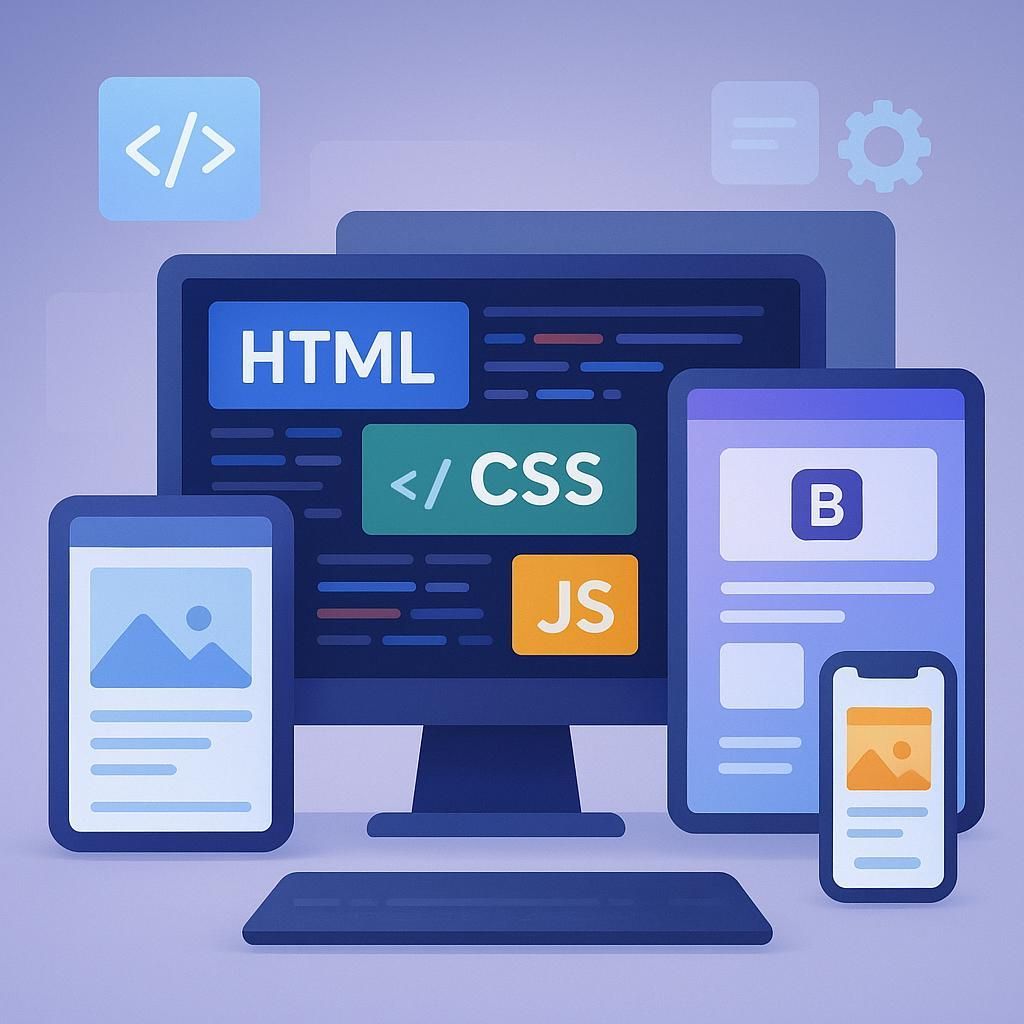
HTML builds the structure. CSS enhances the appearance. JavaScript adds functionality. Together, they create complete, dynamic web experiences.
Because of this combination, developers can build anything from simple websites to complex applications. As a result, these skills are highly valued worldwide.
Why Learn Web and Mobile Development Today?
The demand for developers is increasing rapidly. Businesses need websites. Startups need apps. Even individuals want personal platforms.
Moreover, remote work opportunities are widely available. This allows developers to work from anywhere. In addition, freelance opportunities continue to grow.
Therefore, learning web and mobile development is not just beneficial. It is a strategic investment in your future.
Why Portharcourt Data School is the Best Training Center
Choosing the right training center is critical. Not all institutions provide the same value. However, Portharcourt Data School stands out for several reasons.
Industry-Focused Curriculum
The courses are designed to meet current industry demands. Students are taught practical skills, not just theory. As a result, they become job-ready quickly.
Hands-On Learning Approach
Learning is done through real projects. Therefore, students gain experience while studying. This approach builds confidence and competence.
Experienced Instructors
The trainers are industry professionals. They bring real-world knowledge into the classroom. Consequently, students learn relevant and up-to-date skills.
Supportive Learning Environment
Students receive continuous support throughout their training. In addition, mentorship is provided to guide career growth.
Strong Career Opportunities
Graduates are well-prepared for employment. Many go on to secure jobs or start freelance careers. Because of this, the school has built a strong reputation.
Final Thoughts
Web and mobile development are powerful skills in today’s digital world. With HTML, CSS, and JavaScript, you can build modern, responsive, and interactive applications.
However, success depends on where you learn. That is why Portharcourt Data School remains the top choice for aspiring developers.
If you are serious about building a tech career, this is the right place to start, click the link to learn more http://www.portharcourtdatawschool.com