Network Monitoring Tools: Top Easy Picks For Tech Teams

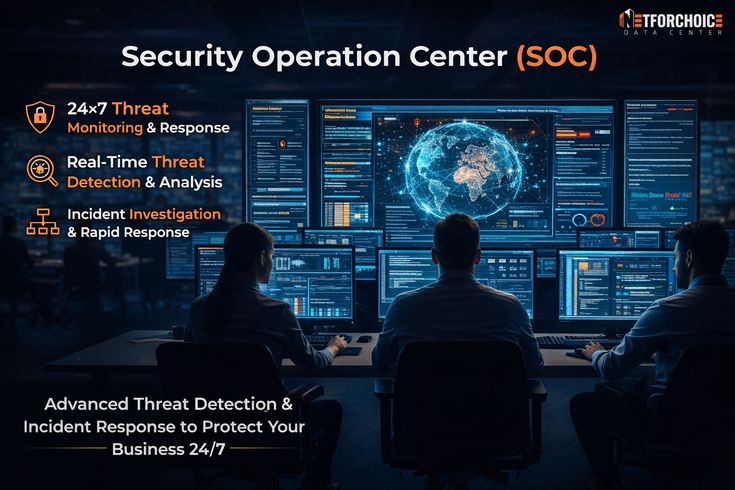
Using reliable network monitoring tools has become incredibly important today because modern businesses rely heavily on digital systems to handle their daily internet operations. As organizations expand their technology infrastructure, IT teams face growing responsibilities. Therefore, companies need better ways to track their systems and identify infrastructure problems quickly. By doing this, you keep your business running smoothly before any major tech failure occurs.

Imagine arriving at work and discovering that employees cannot access important applications. Customers begin reporting slow website performance, while internal systems suddenly stop responding. Meanwhile, frustration spreads across departments because nobody understands the source of the problem.

Naturally, one important question appears:

How can IT teams identify network problems before they affect business operations?

The answer often begins with network monitoring tools.

If terms such as performance tracking, traffic monitoring, network visibility, and system alerts sound confusing, do not worry. This guide explains everything in simple language for IT workers, technology professionals, beginners, and growing organizations.

What Are Network Monitoring Tools?

Network monitoring tools are software applications that help IT teams observe, analyze, and manage network performance.

Think of them as health monitors for computer systems.

Doctors use medical tools to track heart rates and identify health issues. Similarly, network monitoring tools track system activity and identify problems before they become serious.

Because of this process, organizations gain better visibility into network behavior.

Why Network Monitoring Matters for Nigerian IT Teams

Technology use continues increasing across Nigeria. Consequently, businesses now depend on cloud services, online communication systems, websites, and remote work platforms.

However, increasing digital activity also creates additional challenges.

Several issues commonly affect organizations:

  • Slow network performance
  • Server failures
  • Unexpected downtime
  • Security concerns
  • Device connectivity problems
  • Traffic congestion

Therefore, IT teams need reliable solutions that can identify issues quickly.

Furthermore, early detection helps organizations reduce interruptions and improve productivity.

Top Network Monitoring Tools for Nigerian IT Teams in 2026

SolarWinds Network Performance Monitor

SolarWinds helps organizations monitor network performance through real-time visibility.

Additionally, it provides alerts when unusual activity appears.

As a result, IT teams can identify and fix problems quickly.

PRTG Network Monitor

PRTG offers monitoring capabilities across networks, servers, devices, and applications.

Moreover, users receive customizable dashboards and notifications.

Consequently, teams gain easier access to important information.

Nagios

Nagios remains popular because of its flexibility and monitoring features.

For example, it tracks infrastructure performance and system availability.

Therefore, many organizations use it for network management.

Zabbix

Zabbix supports real-time monitoring and performance analysis.

Furthermore, organizations can monitor different devices and services through one platform.

Because of this flexibility, many businesses consider it a useful option.

ManageEngine OpManager

ManageEngine provides network monitoring and fault management capabilities.

In addition, it helps administrators visualize network activity more effectively.

Therefore, teams can improve system management.

Benefits of Using Network Monitoring Tools

Organizations gain several advantages from monitoring solutions.

Firstly, they improve network visibility.

Secondly, they reduce downtime and disruptions.

Thirdly, they help identify problems before they become larger issues.

Moreover, monitoring tools strengthen security awareness by detecting unusual activity.

Ultimately, these systems improve overall operational efficiency.

How to Choose the Right Network Tools

Different organizations have different needs.

Small businesses may prioritize affordability and simplicity. However, larger organizations may focus on scalability and advanced monitoring features.

Several factors can guide decision-making:

  • Ease of use
  • Security features
  • Scalability
  • Cost effectiveness
  • Reporting capabilities
  • Integration support

Therefore, organizations should evaluate their goals carefully before selecting tools.

Frequently Asked Questions

Q1: What are network monitoring tools used for?
A: They help organizations monitor performance, detect problems, and maintain network stability.

Q2: Why do businesses need monitoring tools?
A: Businesses use them to reduce downtime and improve system performance.

Q3: Can beginners learn network monitoring?
A: Yes. Beginners can learn the concepts with proper guidance and practical training.

Q4: Do monitoring tools improve security?
A: Yes. They can help identify unusual activities and potential threats.

Why Technology Skills Matter Today

Technology careers continue expanding rapidly across Nigeria and globally. Therefore, organizations increasingly search for professionals with practical networking and infrastructure skills.

Several career opportunities include:

Consequently, networking skills can create long-term career opportunities.

Why Learners Choose Port Harcourt Data School

People often perform better when practical learning combines with industry-focused training. Therefore, many technology learners choose Port Harcourt Data School while building technical skills.

Technology Learning Beyond Traditional Theory

Students gain exposure to practical experiences instead of relying only on classroom explanations.

Consequently, understanding improves significantly.

Skills Designed Around Industry Needs

Training aligns with technology trends and professional requirements.

Therefore, students learn relevant concepts.

Professional Growth Environment

Students interact with people pursuing similar goals.

As a result, learning becomes more motivating and engaging.

Focus on Real Projects

Practical activities help learners apply concepts directly.

Therefore, confidence improves through experience.

Guidance for Career Development

Learning extends beyond technical concepts.

Consequently, students also gain support for long-term professional growth.

Take the Next Step in Your Technology Journey

Network tools continue shaping how businesses maintain performance and reliability. Therefore, understanding these systems provides value for both beginners and experienced professionals.

Meanwhile, organizations increasingly depend on technology experts who can manage and monitor digital systems effectively.

If you want practical networking knowledge and industry-focused training, you can explore Port Harcourt Data School today.

Ultimately, building useful technology skills today can create stronger opportunities for your future.

👉 Visit: https://portharcourtdataschool.com/

DDoS Attack: Best Expert Methods to Protect Servers

A DDoS attack has become one of the most common cybersecurity threats facing modern organizations. As more businesses move their operations online, cybercriminals continue searching for ways to interrupt services and create disruptions. Therefore, companies now need stronger protection strategies to keep systems secure and operational.

Imagine a customer trying to visit your company website to place an order. However, the website suddenly stops responding. Employees also struggle to access online tools, while customers become frustrated because pages refuse to load. Meanwhile, the business starts losing revenue and customer trust.

Naturally, an important question appears:

What exactly causes this kind of disruption?

In many situations, the answer involves a DDoS attack.

If terms such as network traffic flooding, botnets, and server overload sound difficult, do not worry. This guide explains everything in simple language so beginners, business owners, and technology professionals can understand it easily.

What Is a DDoS Attack?

A DDoS attack, also called a Distributed Denial-of-Service attack, happens when attackers overwhelm a server, website, or network with excessive traffic.

Think of it like a small shop with only one entrance.

Normally, customers enter the shop in an organized way.

However, imagine thousands of people rushing toward the entrance at the same time.

Consequently, genuine customers cannot enter.

Similarly, a DDoS attack floods systems with requests until normal users lose access.

As a result, websites slow down or stop working completely.

How Does a DDoS Attack Work?

Attackers usually control large numbers of infected devices called botnets.

First, cybercriminals infect multiple devices.

Next, they gain control over those systems.

After that, they send massive amounts of traffic toward one target.

Eventually, the server struggles to process the requests.

Therefore, legitimate users experience delays or complete service failure.

Types of DDoS Attacks

Volume-Based Attacks

These attacks overwhelm systems using extremely high traffic volumes.

As a result, internet bandwidth becomes saturated.

Protocol Attacks

Protocol attacks target weaknesses inside servers and network equipment.

Consequently, systems consume excessive resources.

Application Layer Attacks

Application attacks focus on specific services such as websites or applications.

Therefore, attackers can disrupt operations without generating huge traffic volumes.

Why Nigerian Companies Should Pay Attention

Nigeria’s digital economy continues growing rapidly. Consequently, more businesses now depend on websites, online transactions, and cloud platforms.

Unfortunately, increased digital activity also attracts cybercriminals.

Several risks may emerge during attacks:

  • Revenue loss
  • Reduced productivity
  • Customer frustration
  • Damage to brand reputation
  • Service interruptions
  • Security concerns

Because of these risks, organizations must prioritize cybersecurity.

How Nigerian Companies Can Defend Against DDoS Attacks

Monitor Network Activity

Continuous monitoring helps organizations detect unusual traffic patterns.

Therefore, security teams can identify problems before they become larger issues.

Use DDoS Protection Services

Specialized security services can filter harmful traffic.

As a result, legitimate users continue accessing systems normally.

Build Strong Network Infrastructure

Reliable infrastructure improves the ability to handle unexpected traffic spikes.

Moreover, stronger systems increase resilience during attacks.

Create Incident Response Plans

Organizations should prepare for security incidents before they occur.

Therefore, teams can respond faster during emergencies.

Train Employees About Security Risks

Human mistakes sometimes create vulnerabilities.

Consequently, security awareness programs help reduce risks.

Frequently Asked Questions

Q1: What is a DDoS attack?
A: A DDoS attack overwhelms a server or network with excessive traffic, preventing normal access.

Q2: Can small businesses become DDoS targets?
A: Yes. Cybercriminals often target businesses of different sizes.

Q3: Can DDoS attacks affect customer trust?
A: Yes. Customers may lose confidence when systems become unavailable.

Q4: Can beginners learn DDoS concepts?
A: Absolutely. Understanding basic cybersecurity concepts creates a strong foundation.

Why Learning Cybersecurity Skills Matters

Technology careers continue expanding across Nigeria and globally. Therefore, businesses increasingly need professionals who understand network security and cyber threats.

Career opportunities may include:

Furthermore, cybersecurity knowledge creates opportunities beyond traditional roles.

Why Ambitious Learners Choose Port Harcourt Data School

Many students struggle to finish online courses because theoretical training rarely matches real-world demands. In contrast, learners absorb information much faster when practical education combines with hands-on, career-focused mentorship. Because of this perfect balance, ambitious professionals consistently choose Port Harcourt Data School to build competitive tech skills. As a result, they transition from complete beginners into confident tech experts smoothly.

We guarantee your professional growth through five core learning pillars:

1. Modern, Industry-First Curriculum

Technology shifts constantly, so static textbooks become outdated quickly. To solve this, our students train inside a modern learning ecosystem that adapts instantly to live industry trends. That means you will always learn the exact tools that global companies use.

2. Dedicated Mentor Support Structure

Mastering complex tech concepts requires real human guidance, especially when you encounter difficult code. For this reason, our dedicated mentorship network steps in directly to guide you past roadblocks. Consequently, you progress through every single module with absolute confidence.

3. Portfolio-Driven Project Exposure

Modern employers strictly prioritize practical execution over empty certificates. Therefore, our curriculum forces you to focus entirely on building functional, real-world projects. By doing this, you create a premium portfolio that easily proves your technical capabilities to recruiters.

4. Collaborative Tech Community

Isolation kills learning momentum when you study alone. On the other hand, working closely alongside expert instructors and ambitious peers keeps your motivation high. In addition, this interactive environment gives you massive opportunities to build highly valuable professional relationships.

5. Clear Pathway to Financial Independence

True education must yield measurable career advancement instead of just theoretical knowledge. Because our ultimate goal is your career success, every training module focuses entirely on high-income skills. Ultimately, this intensive approach gives you the exact leverage needed to secure elite, high-paying tech roles.

Take Control of Your Cybersecurity Future

Cyber threats continue evolving every year. Therefore, companies and professionals must keep improving their security knowledge.

Understanding DDoS attacks helps businesses reduce risks and protect important systems. Meanwhile, cybersecurity professionals continue becoming valuable across industries.

If you want practical cybersecurity knowledge and industry-focused technology training, you can explore Port Harcourt Data School today.

Building the right skills today creates stronger opportunities tomorrow. Visit https://portharcourtdataschool.com/ to start your journey now.

DNS Security: Best Professional Defense Guide 2026

DNS security has become a major concern for businesses and cybersecurity professionals because attackers continuously search for weak points inside network systems. As companies depend more on digital services, cybercriminals also develop smarter techniques to exploit vulnerabilities. Therefore, understanding DNS security now matters more than ever.

Imagine arriving at work and discovering that your company website suddenly redirects customers to a fake page. Customers attempt to log in, enter their details, and unknowingly send sensitive information to attackers. Meanwhile, your organization starts losing trust, revenue, and credibility.

Naturally, an important question appears:

How do attackers manipulate DNS systems and how can businesses stop them?

The answer starts with understanding DNS security.

If terms such as DNS spoofing, DNS tunneling, cache poisoning, and DNS hijacking sound complicated, do not worry. In this guide, difficult concepts become easier because everything will be explained in simple language.

What Is DNS Security?

DNS security refers to the methods and technologies used to protect the Domain Name System from cyber threats and unauthorized activities.

Think of DNS as a contact list on your phone.

Instead of memorizing every phone number, you simply search for a person’s name. Similarly, DNS converts website names into IP addresses so devices can locate the correct destination.

Without DNS, users would need to remember long numerical addresses.

However, attackers understand the importance of DNS systems. Consequently, they often target DNS because successful attacks can create major disruptions.

Why DNS Security Matters in Modern Organizations

Businesses now depend heavily on websites, cloud services, applications, and online communication systems. Therefore, secure DNS operations play an important role in daily activities.

Several risks emerge when DNS systems become vulnerable:

  • Data theft
  • Phishing attacks
  • Website redirection
  • Network disruption
  • Financial losses
  • Loss of customer trust

Because of these risks, organizations increasingly invest in stronger security measures.

How Attackers Exploit DNS Systems

Cybercriminals use different techniques to manipulate DNS traffic and gain unauthorized access.

DNS Spoofing

DNS spoofing occurs when attackers send false information into DNS systems.

As a result, users may visit fake websites without realizing it.

Consequently, sensitive data such as passwords and financial information can become exposed.

DNS Cache Poisoning

Cache poisoning changes stored DNS information.

Instead of directing users to legitimate websites, the system redirects them to harmful destinations.

Therefore, users may unknowingly interact with malicious websites.

DNS Tunneling

Attackers sometimes hide harmful communication inside DNS traffic.

Because DNS traffic often receives less attention, criminals may use this method to transfer stolen information.

Consequently, organizations may struggle to identify unusual activity.

DNS Hijacking

DNS hijacking allows attackers to take control of DNS requests.

After gaining access, they redirect users toward unauthorized locations.

As a result, victims may lose sensitive information.

How Businesses Can Stop DNS Attacks

Fortunately, organizations can reduce risks through proper security practices.

Use DNS Security Extensions

DNS Security Extensions help verify the authenticity of DNS information.

Therefore, users become less vulnerable to manipulated DNS responses.

Monitor Network Traffic

Continuous monitoring helps identify suspicious activity.

Furthermore, security teams can respond quickly when unusual behavior appears.

Implement Strong Access Controls

Organizations should limit DNS management access to authorized personnel only.

Because of this approach, attackers face greater difficulty gaining control.

Keep Systems Updated

Software updates frequently include important security improvements.

Consequently, organizations reduce vulnerabilities by maintaining current systems.

Train Employees on Security Awareness

Employees sometimes become targets of cybercriminals.

Therefore, security education helps reduce mistakes that create vulnerabilities.

Question and Answer Section

Q1: What is DNS security?
A: DNS security protects Domain Name Systems from attacks and unauthorized activities.

Q2: Why do attackers target DNS?
A: Attackers target DNS because it controls how users reach websites and online services.

Q3: Can small businesses become DNS attack targets?
A: Yes. Cybercriminals often target both small and large organizations.

Q4: Does DNS security help prevent phishing attacks?
A: Yes. Strong DNS security measures can reduce redirection and spoofing risks.

Why Learning DNS Security Matters for Career Growth

Cybersecurity careers continue expanding across Nigeria and globally. Therefore, professionals who understand DNS security gain valuable advantages.

Furthermore, employers increasingly search for individuals with practical network and security knowledge.

Several career opportunities include:

As a result, DNS security skills can support long-term professional growth.

Why Many Learners Choose Port Harcourt Data School

People often succeed faster when they learn in environments that combine practical knowledge with industry-focused learning. Therefore, many learners explore Port Harcourt Data School while building technology skills.

Several factors make the learning experience attractive:

Industry-Relevant Curriculum

Technology changes quickly. Therefore, training should align with real-world requirements instead of outdated methods.

Students gain exposure to practical skills connected to modern industry demands.

Personalized Learning Support

Different learners understand concepts differently.

Consequently, students receive support that helps them progress at a comfortable pace.

Technology Community Exposure

Learning becomes stronger when students interact with other learners and professionals.

Moreover, community exposure encourages collaboration and idea sharing.

Skill Development Beyond Theory

Reading concepts alone rarely builds confidence.

Instead, practical projects and exercises help learners apply knowledge effectively.

Career Development Focus

Students often want more than classroom lessons.

Therefore, training also focuses on helping learners build useful career skills.

Take Complete Control of Your Network Security

DNS security remains a critical part of modern cybersecurity because attackers continue developing new techniques. Therefore, businesses and professionals must understand how these threats work.

Although cyber risks continue evolving, strong security practices can significantly reduce exposure. Meanwhile, organizations that prioritize security create safer digital environments.

If you want to build practical cybersecurity knowledge and develop future-ready skills, you can explore Port Harcourt Data School and begin your journey today.

👉 Visit: https://portharcourtdataschool.com/

Ultimately, the right skills and the right learning environment can create new opportunities for your future career.

The Best Way to Encryption Protects Data Inside Cryptography

Encryption is one of the technologies that keeps our digital lives secure. Every day, millions of people send messages, make online payments, shop online, and store personal information on the internet. But have you ever wondered how this sensitive data stays protected from hackers and cybercriminals?

The answer lies in cryptography. Cryptography is one of the most important technologies in cybersecurity. It uses encryption to protect sensitive information from unauthorized access and keep digital communication secure.

In this article, you will learn what cryptography is, how encryption works, why it matters, and how you can build cybersecurity skills through professional training at Port Harcourt Data School.

What Is Cryptography?

Cryptography is the science of protecting information by converting it into a secret code. This process ensures that only authorized people can read or access the information.

Simply put, cryptography helps keep data private and secure.

For example, when you enter your password on a website, cryptography helps prevent hackers from seeing or stealing it.

Without cryptography, online banking, e-commerce, email communication, and social media platforms would be much less secure.

What Is Encryption?

Encryption is a major part of cryptography.

Encryption converts readable information, known as plaintext, into unreadable information called ciphertext.

Only someone with the correct key can convert the ciphertext back into readable information.

Simple Example

Imagine writing a secret message to a friend:

Original Message:

I LOVE CYBERSECURITY

After encryption, it may look like this:

X7A9M#P2Q!8L@N

To anyone else, the message appears meaningless. However, someone with the correct decryption key can read it.

This process helps keep information safe while it travels across the internet.

Why Is Cryptography Important?

Cryptography plays a critical role in modern cybersecurity because it helps:

Protect Personal Information

Your passwords, emails, phone numbers, and financial details are protected through encryption.

Secure Online Banking

Banks use cryptography to secure transactions and protect customer accounts.

Protect Business Data

Companies use encryption to secure customer records, employee information, and confidential documents.

Secure Communication

Messaging apps and email services use encryption to keep conversations private.

Prevent Cyber Attacks

Even if hackers intercept encrypted data, they cannot easily read it without the correct decryption key.

Types of Cryptography

There are several forms of cryptography used today.

Symmetric Encryption

In symmetric encryption, the same key is used for both encryption and decryption.

Advantages

  • Fast
  • Efficient
  • Suitable for large amounts of data

Examples

  • AES (Advanced Encryption Standard)
  • DES (Data Encryption Standard)

Asymmetric Encryption

This method uses two different keys:

  • Public Key
  • Private Key

The public key encrypts data, while the private key decrypts it.

Advantages

  • More secure for communication
  • Widely used in online transactions

Examples

  • RSA
  • ECC (Elliptic Curve Cryptography)

Hashing

Hashing converts data into a fixed-length value.

Unlike encryption, hashing cannot be reversed.

Organizations use hashing to protect passwords and verify data integrity.

Popular Hashing Algorithms

  • SHA-256
  • SHA-3
  • MD5 (older and less secure)

Real-Life Examples of Cryptography

You use cryptography more often than you think.

Online Banking

Banks encrypt account details and transactions to prevent fraud.

WhatsApp Messages

WhatsApp uses end-to-end encryption to keep conversations private.

E-Commerce Websites

Shopping websites encrypt payment information before processing transactions.

Digital Signatures

Businesses use digital signatures to verify documents and prevent tampering.

Cryptocurrency

Digital currencies such as Bitcoin rely heavily on cryptography for security.

Cryptography and Cybersecurity Careers

As cyber threats continue to grow, organizations need professionals who understand encryption and cybersecurity.

Learning cryptography can help you pursue careers such as:

  • Cybersecurity Analyst
  • Security Engineer
  • Ethical Hacker
  • Information Security Specialist
  • Penetration Tester
  • Network Security Engineer

These roles are in high demand across Nigeria, Africa, and globally.

Learn Cybersecurity at Port Harcourt Data School

If you want to build practical cybersecurity skills, Port Harcourt Data School provides industry focused training designed to prepare students for real-world technology careers.

Students learn:

The school combines practical learning with hands-on projects to help learners gain valuable experience.

Whether you are a student, graduate, business owner, or working professional, quality cybersecurity training can help you stay competitive in today’s digital world.

Visit www.aischoolnigeria.com to learn more about cybersecurity courses, artificial intelligence programs, and technology certifications offered by Port Harcourt Data School.

Why Port Harcourt Data School Stands Out

Port Harcourt Data School has established itself as one of Africa’s leading technology training institutions because of its commitment to practical learning and career development.

Benefits include:

  • Industry-relevant curriculum
  • Experienced instructors
  • Hands-on projects
  • Flexible learning options
  • Career-focused training
  • Access to emerging technology skills

As demand for cybersecurity professionals continues to increase, learning from a reputable institution can provide a strong foundation for long-term success.

Conclusion

Cryptography is the technology that keeps our digital world secure. From online banking and messaging apps to e-commerce and cloud services, encryption helps protect sensitive information from cybercriminals.

Understanding cryptography is an essential step for anyone interested in cybersecurity. As businesses and governments continue to invest in digital security, professionals with cybersecurity knowledge will remain highly valuable.

If you’re ready to develop practical cybersecurity skills and discover how Port Harcourt Data School is helping shape the next generation of technology professionals in Africa.

Intrusion Detection System: Best Expert IDS Guide 2026

Deploying a reliable detection system protects modern business networks against rapidly increasing cybersecurity threats. As more organizations move their operations online, they rely on these advanced monitoring tools to catch suspicious activities early. For this reason, modern security teams depend heavily on intrusion tracking to maintain total network visibility.

In many cases, attackers try to enter networks quietly to avoid notice. However, a properly configured detection system identifies unusual activity immediately and raises critical alerts. Consequently, IT teams respond swiftly and stop threats before serious damage happens.

Today, anyone entering the cybersecurity field must understand exactly how a detection system works. Furthermore, professionals who master these monitoring tools secure better, high-paying roles in network security fields.

What Is an Intrusion Detection System?

An intrusion detection system is a security tool designed to monitor network traffic and detect suspicious behavior. Essentially, it watches everything happening inside a system and reports any unusual activity.

Think of it like a security camera in a building. It does not stop the intruder physically, but it alerts security personnel when something suspicious happens.

Similarly, a detection system observes data movement and raises warnings when it identifies threats.

Therefore, organizations use it to improve visibility across their networks.

How Does an IDS Work?

A detection system works by analyzing network traffic and comparing it with known patterns of normal behavior.

First, it collects data from different parts of a network.

Next, it analyzes the data for unusual patterns or unauthorized access attempts.

Then, it compares behavior against predefined rules or threat signatures.

Finally, it sends alerts to system administrators when suspicious activity appears.

Because of this process, security teams can respond quickly and prevent further damage.

Types of Intrusion Detection Systems

Network-Based IDS

This type monitors traffic across an entire network.

Therefore, it helps detect attacks targeting multiple systems at once.

Host-Based IDS

This system focuses on individual devices like computers or servers.

As a result, it provides deeper visibility into specific machines.

Signature-Based IDS

Signature-based systems detect known threats using predefined patterns.

However, they may struggle with new or unknown attacks.

Anomaly-Based IDS

This system identifies unusual behavior compared to normal activity.

Consequently, it can detect new and emerging threats more effectively.

Why Detection Systems Matter in Cybersecurity

Cyberattacks continue evolving every year. Therefore, organizations must adopt tools that provide early warning signs.

Without proper monitoring, attackers can stay inside systems for long periods without being detected.

Moreover, undetected breaches often lead to financial loss, data theft, and reputational damage.

As a result, detection systems play a major role in modern cybersecurity strategies.

Real-World Importance of IDS in Businesses

Banks use detection systems to monitor fraudulent transactions.

Similarly, telecom companies rely on them to detect unauthorized network access.

In addition, government agencies use IDS tools to protect sensitive information.

Therefore, almost every industry with digital systems benefits from intrusion detection.

Question and Answer Section

Q1: What is the main purpose of a detection system?
A: Its main purpose is to monitor networks and detect suspicious or unauthorized activity.

Q2: Does IDS stop attacks automatically?
A: No, it mainly detects and alerts administrators, although some advanced systems can respond automatically.

Q3: Why do companies use IDS tools?
A: Companies use them to identify threats early and reduce the risk of data breaches.

Q4: Is IDS useful for beginners in cybersecurity?
A: Yes, because it introduces key concepts like monitoring, threats, and network behavior.

Why Beginners Should Learn IDS Concepts

Cybersecurity careers require strong foundational knowledge. Therefore, understanding detection systems becomes a valuable starting point.

Moreover, beginners who learn IDS concepts gain insight into how real security systems operate.

In addition, this knowledge helps learners progress into advanced fields like penetration testing and network defense.

Why Port Harcourt Data School Is a Strong Choice for Cybersecurity Training

Many learners struggle with cybersecurity because they only focus on theory without practical exposure. However, structured training environments help students understand complex systems more easily.

Practical Cybersecurity Training

Students learn through real-world simulations. Therefore, they understand how detection systems operate in actual networks.

Simplified Learning Approach

Complex topics are broken down into simple explanations. As a result, beginners grasp difficult concepts faster.

Interactive Expert Guidance

Instructors engage directly with students during classes. Meanwhile, learners receive immediate answers to questions.

Career-Oriented Skill Building

Training focuses on real industry needs. Therefore, students develop job-ready cybersecurity skills.

Hands-On Network Experience

Students practice configuring and analyzing systems. Consequently, they gain confidence in real technical environments.

Why Detection Systems Skills Matter for Your Career

Technology continues expanding rapidly across Nigeria and beyond. Therefore, demand for cybersecurity professionals continues increasing.

Moreover, companies now prioritize professionals who understand network monitoring and threat detection.

As a result, IDS knowledge can open opportunities in roles such as:

Advance Your Cybersecurity Career From Today

Intrusion detection systems remain a critical part of modern cybersecurity because they help organizations identify threats early. Therefore, understanding how they work gives professionals a strong advantage in the IT industry.

Although cyber threats continue evolving, proper monitoring tools improve defense strategies significantly. Meanwhile, skilled professionals remain essential in protecting digital infrastructure.

If you want to build strong cybersecurity skills and understand systems like IDS in a practical way, you can explore training at Port Harcourt Data School and develop industry-ready expertise.

👉 Visit: https://portharcourtdataschool.com/

Ultimately, your cybersecurity career grows stronger when you learn from the right environment and start building real skills today.

Hi, How Can We Help You?
Welcome To
Portharcourt Data School

Artificial Intelligence (AI) and Robotics Programmes Are Now Available!

Enroll Now!

Thank You
100% secure website.