
The Best Way to Encryption Protects Data Inside Cryptography

Encryption is one of the technologies that keeps our digital lives secure. Every day, millions of people send messages, make online payments, shop online, and store personal information on the internet. But have you ever wondered how this sensitive data stays protected from hackers and cybercriminals?

The answer lies in cryptography. Cryptography is one of the most important technologies in cybersecurity. It uses encryption to protect sensitive information from unauthorized access and keep digital communication secure.

In this article, you will learn what cryptography is, how encryption works, why it matters, and how you can build cybersecurity skills through professional training at Port Harcourt Data School.

What Is Cryptography?

Cryptography is the science of protecting information by converting it into a secret code. This process ensures that only authorized people can read or access the information.

Simply put, cryptography helps keep data private and secure.

For example, when you enter your password on a website, cryptography helps prevent hackers from seeing or stealing it.

Without cryptography, online banking, e-commerce, email communication, and social media platforms would be much less secure.

What Is Encryption?

Encryption is a major part of cryptography.

Encryption converts readable information, known as plaintext, into unreadable information called ciphertext.

Only someone with the correct key can convert the ciphertext back into readable information.

Simple Example

Imagine writing a secret message to a friend:

Original Message:

I LOVE CYBERSECURITY

After encryption, it may look like this:

X7A9M#P2Q!8L@N

To anyone else, the message appears meaningless. However, someone with the correct decryption key can read it.

This process helps keep information safe while it travels across the internet.

Why Is Cryptography Important?

Cryptography plays a critical role in modern cybersecurity because it helps:

Protect Personal Information

Your passwords, emails, phone numbers, and financial details are protected through encryption.

Secure Online Banking

Banks use cryptography to secure transactions and protect customer accounts.

Protect Business Data

Companies use encryption to secure customer records, employee information, and confidential documents.

Secure Communication

Messaging apps and email services use encryption to keep conversations private.

Prevent Cyber Attacks

Even if hackers intercept encrypted data, they cannot easily read it without the correct decryption key.

Types of Cryptography

There are several forms of cryptography used today.

Symmetric Encryption

In symmetric encryption, the same key is used for both encryption and decryption.

Advantages

  • Fast
  • Efficient
  • Suitable for large amounts of data

Examples

  • AES (Advanced Encryption Standard)
  • DES (Data Encryption Standard)

Asymmetric Encryption

This method uses two different keys:

  • Public Key
  • Private Key

The public key encrypts data, while the private key decrypts it.

Advantages

  • More secure for communication
  • Widely used in online transactions

Examples

  • RSA
  • ECC (Elliptic Curve Cryptography)

Hashing

Hashing converts data into a fixed-length value.

Unlike encryption, hashing cannot be reversed.

Organizations use hashing to protect passwords and verify data integrity.

Popular Hashing Algorithms

  • SHA-256
  • SHA-3
  • MD5 (older and less secure)

Real-Life Examples of Cryptography

You use cryptography more often than you think.

Online Banking

Banks encrypt account details and transactions to prevent fraud.

WhatsApp Messages

WhatsApp uses end-to-end encryption to keep conversations private.

E-Commerce Websites

Shopping websites encrypt payment information before processing transactions.

Digital Signatures

Businesses use digital signatures to verify documents and prevent tampering.

Cryptocurrency

Digital currencies such as Bitcoin rely heavily on cryptography for security.

Cryptography and Cybersecurity Careers

As cyber threats continue to grow, organizations need professionals who understand encryption and cybersecurity.

Learning cryptography can help you pursue careers such as:

  • Cybersecurity Analyst
  • Security Engineer
  • Ethical Hacker
  • Information Security Specialist
  • Penetration Tester
  • Network Security Engineer

These roles are in high demand across Nigeria, Africa, and globally.

Learn Cybersecurity at Port Harcourt Data School

If you want to build practical cybersecurity skills, Port Harcourt Data School provides industry focused training designed to prepare students for real-world technology careers.

Students learn:

The school combines practical learning with hands-on projects to help learners gain valuable experience.

Whether you are a student, graduate, business owner, or working professional, quality cybersecurity training can help you stay competitive in today’s digital world.

Visit www.aischoolnigeria.com to learn more about cybersecurity courses, artificial intelligence programs, and technology certifications offered by Port Harcourt Data School.

Why Port Harcourt Data School Stands Out

Port Harcourt Data School has established itself as one of Africa’s leading technology training institutions because of its commitment to practical learning and career development.

Benefits include:

  • Industry-relevant curriculum
  • Experienced instructors
  • Hands-on projects
  • Flexible learning options
  • Career-focused training
  • Access to emerging technology skills

As demand for cybersecurity professionals continues to increase, learning from a reputable institution can provide a strong foundation for long-term success.

Conclusion

Cryptography is the technology that keeps our digital world secure. From online banking and messaging apps to e-commerce and cloud services, encryption helps protect sensitive information from cybercriminals.

Understanding cryptography is an essential step for anyone interested in cybersecurity. As businesses and governments continue to invest in digital security, professionals with cybersecurity knowledge will remain highly valuable.

If you’re ready to develop practical cybersecurity skills and discover how Port Harcourt Data School is helping shape the next generation of technology professionals in Africa.

Intrusion Detection System: Best Expert IDS Guide 2026

Deploying a reliable detection system protects modern business networks against rapidly increasing cybersecurity threats. As more organizations move their operations online, they rely on these advanced monitoring tools to catch suspicious activities early. For this reason, modern security teams depend heavily on intrusion tracking to maintain total network visibility.

In many cases, attackers try to enter networks quietly to avoid notice. However, a properly configured detection system identifies unusual activity immediately and raises critical alerts. Consequently, IT teams respond swiftly and stop threats before serious damage happens.

Today, anyone entering the cybersecurity field must understand exactly how a detection system works. Furthermore, professionals who master these monitoring tools secure better, high-paying roles in network security fields.

What Is an Intrusion Detection System?

An intrusion detection system is a security tool designed to monitor network traffic and detect suspicious behavior. Essentially, it watches everything happening inside a system and reports any unusual activity.

Think of it like a security camera in a building. It does not stop the intruder physically, but it alerts security personnel when something suspicious happens.

Similarly, a detection system observes data movement and raises warnings when it identifies threats.

Therefore, organizations use it to improve visibility across their networks.

How Does an IDS Work?

A detection system works by analyzing network traffic and comparing it with known patterns of normal behavior.

First, it collects data from different parts of a network.

Next, it analyzes the data for unusual patterns or unauthorized access attempts.

Then, it compares behavior against predefined rules or threat signatures.

Finally, it sends alerts to system administrators when suspicious activity appears.

Because of this process, security teams can respond quickly and prevent further damage.

Types of Intrusion Detection Systems

Network-Based IDS

This type monitors traffic across an entire network.

Therefore, it helps detect attacks targeting multiple systems at once.

Host-Based IDS

This system focuses on individual devices like computers or servers.

As a result, it provides deeper visibility into specific machines.

Signature-Based IDS

Signature-based systems detect known threats using predefined patterns.

However, they may struggle with new or unknown attacks.

Anomaly-Based IDS

This system identifies unusual behavior compared to normal activity.

Consequently, it can detect new and emerging threats more effectively.

Why Detection Systems Matter in Cybersecurity

Cyberattacks continue evolving every year. Therefore, organizations must adopt tools that provide early warning signs.

Without proper monitoring, attackers can stay inside systems for long periods without being detected.

Moreover, undetected breaches often lead to financial loss, data theft, and reputational damage.

As a result, detection systems play a major role in modern cybersecurity strategies.

Real-World Importance of IDS in Businesses

Banks use detection systems to monitor fraudulent transactions.

Similarly, telecom companies rely on them to detect unauthorized network access.

In addition, government agencies use IDS tools to protect sensitive information.

Therefore, almost every industry with digital systems benefits from intrusion detection.

Question and Answer Section

Q1: What is the main purpose of a detection system?
A: Its main purpose is to monitor networks and detect suspicious or unauthorized activity.

Q2: Does IDS stop attacks automatically?
A: No, it mainly detects and alerts administrators, although some advanced systems can respond automatically.

Q3: Why do companies use IDS tools?
A: Companies use them to identify threats early and reduce the risk of data breaches.

Q4: Is IDS useful for beginners in cybersecurity?
A: Yes, because it introduces key concepts like monitoring, threats, and network behavior.

Why Beginners Should Learn IDS Concepts

Cybersecurity careers require strong foundational knowledge. Therefore, understanding detection systems becomes a valuable starting point.

Moreover, beginners who learn IDS concepts gain insight into how real security systems operate.

In addition, this knowledge helps learners progress into advanced fields like penetration testing and network defense.

Why Port Harcourt Data School Is a Strong Choice for Cybersecurity Training

Many learners struggle with cybersecurity because they only focus on theory without practical exposure. However, structured training environments help students understand complex systems more easily.

Practical Cybersecurity Training

Students learn through real-world simulations. Therefore, they understand how detection systems operate in actual networks.

Simplified Learning Approach

Complex topics are broken down into simple explanations. As a result, beginners grasp difficult concepts faster.

Interactive Expert Guidance

Instructors engage directly with students during classes. Meanwhile, learners receive immediate answers to questions.

Career-Oriented Skill Building

Training focuses on real industry needs. Therefore, students develop job-ready cybersecurity skills.

Hands-On Network Experience

Students practice configuring and analyzing systems. Consequently, they gain confidence in real technical environments.

Why Detection Systems Skills Matter for Your Career

Technology continues expanding rapidly across Nigeria and beyond. Therefore, demand for cybersecurity professionals continues increasing.

Moreover, companies now prioritize professionals who understand network monitoring and threat detection.

As a result, IDS knowledge can open opportunities in roles such as:

Advance Your Cybersecurity Career From Today

Intrusion detection systems remain a critical part of modern cybersecurity because they help organizations identify threats early. Therefore, understanding how they work gives professionals a strong advantage in the IT industry.

Although cyber threats continue evolving, proper monitoring tools improve defense strategies significantly. Meanwhile, skilled professionals remain essential in protecting digital infrastructure.

If you want to build strong cybersecurity skills and understand systems like IDS in a practical way, you can explore training at Port Harcourt Data School and develop industry-ready expertise.

👉 Visit: https://portharcourtdataschool.com/
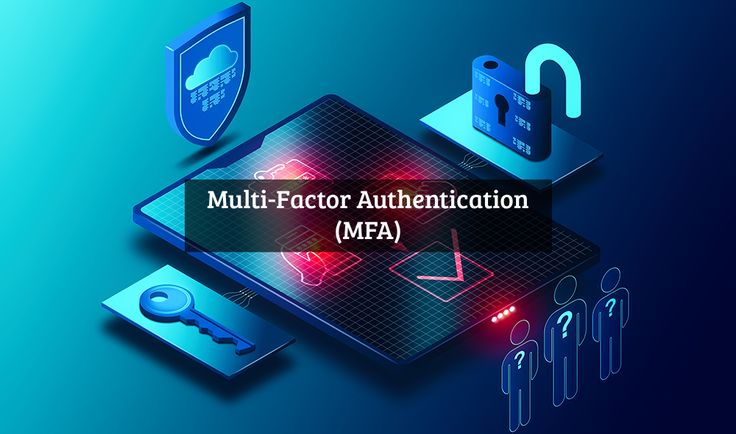
Ultimately, your cybersecurity career grows stronger when you learn from the right environment and start building real skills today.

Ultimate CIA Triad Guide for Beginners in Cybersecurity

Cybersecurity is one of the most important skills in today’s digital world. Whether you are using social media, online banking, cloud storage, or business applications, protecting information is essential. One of the most important concepts every cybersecurity beginner should understand is the CIA Triad.

The CIA Triad stands for Confidentiality, Integrity, and Availability. These three principles form the foundation of information security and help organizations protect sensitive data from cyber threats. The CIA Triad is widely recognized as a core cybersecurity framework.

If you are planning to build a career in cybersecurity, learning the CIA Triad is a great place to start.

What Is the CIA Triad?

The CIA Triad is a cybersecurity model that helps organizations keep their data secure. It focuses on three key goals:

  1. Confidentiality
  2. Integrity
  3. Availability

Together, these principles ensure that information remains private, accurate, and accessible to authorized users.

Confidentiality

Confidentiality means protecting information from unauthorized access. Only people who have permission should be able to see sensitive data.

Examples of Confidentiality

  • Password-protected accounts
  • Encrypted files
  • Two-factor authentication (2FA)
  • Employee access controls

For example, your bank account details should only be accessible to you and authorized bank staff. If hackers gain access, confidentiality has been compromised.

Why Confidentiality Matters

Without confidentiality, sensitive information such as personal records, financial details, and business secrets could fall into the wrong hands.

Integrity

Integrity means ensuring that information remains correct, complete, and unchanged unless authorized modifications are made. Data should not be altered by hackers, system errors, or unauthorized users.

Examples of Integrity

  • Digital signatures
  • Data validation checks
  • File permissions
  • Audit logs

Imagine a company’s payroll system. If someone changes employee salaries without permission, the integrity of the data is lost.

Why Integrity Matters

Businesses rely on accurate information to make decisions. Incorrect or altered data can lead to financial losses, operational problems, and security risks.

Availability

Availability means ensuring that systems and data are accessible whenever authorized users need them. Information should be available even during technical failures or cyberattacks.

Examples of Availability

  • Cloud backups
  • Disaster recovery plans
  • Redundant servers
  • System maintenance

For example, an online shopping website should remain available for customers to make purchases at any time.

Why Availability Matters

If systems go offline for long periods, businesses can lose customers, revenue, and trust.

Understanding the CIA Triad with a Simple Example

Imagine a school database containing student records.

Confidentiality

Only authorized teachers and administrators can view student information.

Integrity

Student grades cannot be changed without proper authorization.

Availability

Teachers can access the system whenever they need student records.

If any one of these three principles fails, the security of the system is weakened.

Why the CIA Triad Is Important in Cybersecurity

The CIA Triad serves as the foundation for cybersecurity policies and security controls used by organizations worldwide. It helps security professionals identify risks and implement effective protection measures.

Benefits include:

  • Better data protection
  • Reduced cyber risks
  • Improved business continuity
  • Regulatory compliance
  • Stronger customer trust

Common Threats to the CIA Triad

Threats to Confidentiality

  • Data breaches
  • Phishing attacks
  • Unauthorized access

Threats to Integrity

  • Malware
  • Data tampering
  • Unauthorized modifications

Threats to Availability

  • DDoS attacks
  • Hardware failures
  • Power outages
  • Ransomware

Understanding these threats helps organizations develop stronger security strategies.

How to Protect the CIA Triad

Organizations can strengthen cybersecurity by:

  • Using strong passwords
  • Enabling multi-factor authentication
  • Encrypting sensitive data
  • Regularly backing up information
  • Monitoring network activity
  • Updating software and systems
  • Training employees on cybersecurity awareness

Learn Cybersecurity at Port Harcourt Data School

As cybersecurity threats continue to grow, skilled professionals are in high demand across Nigeria and the world. If you want to build a successful career in cybersecurity, artificial intelligence, data science, or other technology fields, Port Harcourt Data School stands out as one of Africa’s leading tech training institutions.

Students receive practical, hands-on training designed to prepare them for real-world industry challenges. Whether you are a beginner or an experienced professional looking to upgrade your skills, Port Harcourt Data School offers programs that help learners become job-ready technology experts.

To learn more about technology and cybersecurity training opportunities, visit www.aischoolnigeria.com.

Conclusion

The CIA Triad Confidentiality, Integrity, and Availability is the foundation of cybersecurity. These three principles help organizations protect sensitive information, maintain data accuracy, and ensure systems remain accessible when needed.

For anyone starting a cybersecurity career, understanding the CIA Triad is essential. It provides the knowledge needed to understand how modern security systems work and how organizations defend against cyber threats.

By learning these concepts and gaining practical skills through institutions like Port Harcourt Data School, you can begin your journey toward a successful career in cybersecurity and information security.

Secure Wi-Fi: Best Expert Setup For Lagos Offices

Modern offices in Lagos now depend heavily on fast internet connections. However, speed alone is not enough because security has become equally important. Therefore, businesses must ensure their Wi-Fi network is both stable and protected from cyber threats.

Many companies experience network problems without understanding the root cause. Meanwhile, some offices use weak passwords, outdated routers, or open connections that expose sensitive data. As a result, hackers often target poorly secured systems.

Today, securing a Wi-Fi network is no longer optional. Instead, it has become a basic requirement for any professional office environment. Consequently, organizations must follow proper setup practices to protect business operations.

What Is a Secure Wi-Fi Network?

A secure Wi-Fi network refers to a wireless connection that is protected against unauthorized access and cyber threats. Essentially, it ensures that only approved users can connect and use the internet safely.

In simple terms, it acts like a locked office door. Only people with the right key can enter. Similarly, only authorized users can access the network.

Furthermore, secure Wi-Fi systems use encryption and authentication to protect data from attackers.

Why Wi-Fi Security Matters for Lagos Offices

Lagos remains one of the busiest business hubs in Africa. Therefore, many companies rely on digital systems to run daily operations.

However, increased connectivity also brings increased risk. For example, unsecured networks can lead to:

  • Data theft
  • Unauthorized access
  • Business disruption
  • Financial loss
  • Identity breaches

Because of these risks, companies must prioritize network protection.

Moreover, employees often connect multiple devices to office Wi-Fi, which increases exposure. As a result, weak security can affect the entire organization.

Step-by-Step Guide to Setting Up a Secure Wi-Fi Network

Choose a Strong Router

First, select a reliable router that supports modern security standards.

In addition, ensure the router supports WPA3 encryption or at least WPA2.

Therefore, outdated devices should be avoided because they lack advanced protection features.

Change Default Login Details

Most routers come with default usernames and passwords.

However, attackers often know these defaults.

Consequently, changing them immediately improves security significantly.

Enable Strong Encryption

Encryption protects data traveling across your network.

For example, WPA2 or WPA3 encryption ensures that hackers cannot easily read transmitted information.

Therefore, always enable the strongest available option.

Create a Strong Wi-Fi Password

Weak passwords increase vulnerability.

Instead, use a combination of letters, numbers, and symbols.

Moreover, avoid using simple words or company names.

Limit Network Access

Not every visitor should access your main office network.

Therefore, create a guest network for visitors.

As a result, internal systems remain protected from external exposure.

Update Router Firmware Regularly

Router manufacturers release updates to fix security issues.

Meanwhile, ignoring updates can leave systems exposed to threats.

Consequently, regular updates improve long-term protection.

Common Wi-Fi Security Mistakes Offices Make

Many offices unknowingly weaken their security through simple mistakes.

For example:

  • Using default passwords
  • Keeping old routers active
  • Sharing passwords freely
  • Ignoring software updates
  • Leaving networks open

Therefore, these mistakes should be corrected immediately.

Benefits of a Secure Wi-Fi Network

A properly secured Wi-Fi network offers multiple advantages.

Firstly, it protects sensitive business data.

Secondly, it prevents unauthorized users from slowing down the network.

Thirdly, it improves overall productivity by ensuring stable connectivity.

In addition, it builds customer trust because data safety becomes stronger.

Ultimately, secure systems support business growth and digital confidence.

Cybersecurity Awareness for Office Staff

Technology alone cannot guarantee full protection.

Therefore, employees must also understand basic security practices.

For example, staff should avoid connecting unknown devices or clicking suspicious links.

Moreover, training employees reduces human-related security risks.

As a result, the entire office becomes safer.

Why Learning Networking Skills Matters Today

Digital infrastructure continues expanding across Nigeria. Therefore, demand for IT professionals who understand networking is increasing.

In addition, businesses now need experts who can configure secure systems, manage networks, and prevent cyber threats.

Consequently, skills in Wi-Fi security, routing, and network setup have become valuable career paths.

Why Port Harcourt Data School Is a Strong Learning Choice

Many beginners struggle with networking because they lack practical guidance. However, structured learning environments make technical skills easier to understand.

Practical Hands-On Training

Students learn by working directly with real networking setups. Therefore, they understand how systems function in real offices.

Simplified Technical Teaching

Complex topics are broken down into simple explanations. As a result, beginners learn without confusion.

Interactive Class Experience

Learners engage directly with instructors during sessions. Meanwhile, questions receive immediate clarification.

Career-Focused Skill Development

Training is designed to prepare students for real job roles. Therefore, learners gain employable skills.

Real-World Problem Solving

Students practice solving actual network challenges. Consequently, they build confidence for workplace situations.

CONCLUSION

Secure Wi-Fi networks are essential for every modern office, especially in fast-growing business environments like Lagos. Therefore, organizations must prioritize proper setup and continuous maintenance.

Although many people focus only on internet speed, security remains equally important. Meanwhile, weak networks can expose businesses to serious risks.

Ultimately, strong Wi-Fi security improves productivity, protects data, and supports long-term business growth.

If you want to build practical networking and cybersecurity skills, you can explore training at Port Harcourt Data School and start developing industry-ready expertise.

👉 Visit: https://portharcourtdataschool.com/
Your IT career becomes stronger when you learn the right skills at the right place.

The Best Cybersecurity Guide for Nigerians Starting Out

In today’s digital world, almost everything we do involves technology. We use smartphones for banking, social media, online shopping, communication, and even learning. However, as technology becomes more important in our daily lives, cyber threats are also increasing. This is where cybersecurity comes in.

If you are new to technology and wondering what cybersecurity means, this guide will explain everything in simple language.

What Is Cybersecurity?

Cybersecurity is the practice of protecting computers, smartphones, networks, and digital information from cybercriminals, hackers, and online threats. In simple terms, cybersecurity helps keep your data safe from people who want to steal, damage, or misuse it.

Think of cybersecurity as the digital version of locking your house. Just as you lock your doors to keep intruders out, cybersecurity uses tools and practices to protect your devices and information online.


Why Is Cybersecurity Important in Nigeria?

Nigeria has experienced rapid growth in internet usage, online banking, fintech services, and digital businesses. As a result, cybercriminals are also becoming more active.

Without proper cybersecurity, individuals and businesses can face:

  • Identity theft
  • Financial fraud
  • Hacked social media accounts
  • Stolen personal information
  • Business data breaches
  • Online scams and phishing attacks

Therefore, understanding cybersecurity is no longer optional. It is a necessary skill for everyone who uses the internet.

Common Cyber Threats Nigerians Should Know

Phishing Attacks

Phishing happens when criminals send fake emails, messages, or websites that look legitimate. Their goal is to trick people into revealing passwords, bank details, or other sensitive information.

Malware

Malware is harmful software designed to damage devices or steal information. Examples include viruses, spyware, and ransomware.

Password Attacks

Weak passwords make it easier for hackers to access your accounts. Using the same password across multiple platforms increases your risk.

 Social Engineering

This involves manipulating people into giving away confidential information. Cybercriminals often pretend to be trusted organizations or individuals.

 Data Breaches

A data breach occurs when unauthorized individuals gain access to sensitive information stored by companies or institutions.

Basic Cybersecurity Tips for Beginners

Fortunately, you do not need to be a tech expert to stay safe online. Here are some simple cybersecurity habits everyone should follow:

Use Strong Passwords

Create passwords that contain a mix of letters, numbers, and symbols. Avoid using obvious information such as birthdays or names.

Enable Two-Factor Authentication (2FA)

Two-factor authentication adds an extra layer of security by requiring a second verification step before logging in.

Keep Software Updated

Software updates often fix security vulnerabilities. Therefore, always update your phone, computer, and applications regularly.

Be Careful with Links

Do not click on suspicious links sent through email, SMS, or social media.

Use Trusted Networks

Avoid conducting sensitive transactions on public Wi-Fi networks whenever possible.

Types of Cybersecurity

Cybersecurity is a broad field that includes several areas:

Network Security

Protects computer networks from unauthorized access and attacks.

Information Security

Focuses on protecting sensitive data from theft, misuse, or destruction.

Application Security

Ensures software and applications remain secure from cyber threats.

Cloud Security

Protects data and services stored in cloud environments.

Endpoint Security

Secures devices such as laptops, smartphones, and tablets.

Cybersecurity Career Opportunities in Nigeria

The demand for cybersecurity professionals is growing worldwide, including in Nigeria. Organizations need skilled experts to protect their systems and data.

Popular cybersecurity careers include:

  • Cybersecurity Analyst
  • Security Engineer
  • Ethical Hacker
  • Penetration Tester
  • Security Consultant
  • Incident Response Specialist
  • Cloud Security Engineer

As businesses continue to digitize, cybersecurity professionals will remain highly valuable.

How to Start Learning Cybersecurity

If you are interested in building a career in cybersecurity, start with the basics:

  1. Learn computer fundamentals.
  2. Understand networking concepts.
  3. Study cybersecurity principles.
  4. Practice using security tools.
  5. Take professional training courses.
  6. Work on real-world projects and labs.

One excellent place to begin your technology journey is Port Harcourt Data School. The institution is committed to helping Africans gain practical digital skills that are relevant in today’s job market.

You can also explore additional AI and technology training opportunities through AISchoolNigeria.com.

Why Choose Port Harcourt Data School?

Port Harcourt Data School is widely recognized as one of Africa’s leading technology training institutions. The school focuses on practical, industry-relevant skills in:

Students gain hands-on experience and mentorship designed to prepare them for real-world careers.

CONCLUSION

Cybersecurity is the foundation of a safe digital life. Whether you are a student, entrepreneur, professional, or everyday internet user, understanding cybersecurity can help protect your information and reduce online risks.

As Nigeria’s digital economy continues to grow, cybersecurity skills will become even more important. Starting your learning journey today can open doors to exciting career opportunities while helping you stay safe online.

Hi, How Can We Help You?
Welcome To
Portharcourt Data School

Artificial Intelligence (AI) and Robotics Programmes Are Now Available!

Enroll Now!

Thank You
100% secure website.