
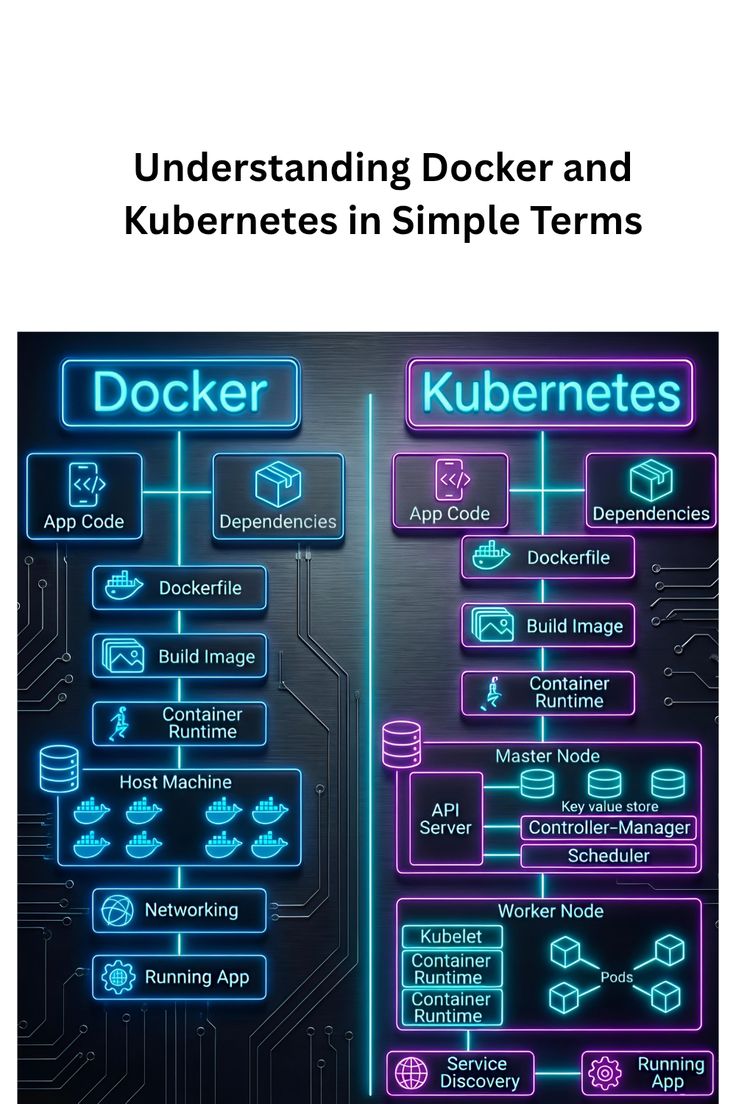
Container security has become a critical priority for modern tech startups and businesses because applications are now deployed using Docker containers and Kubernetes clusters across cloud environments. As companies scale their digital products, attackers also target containerized workloads due to misconfigurations and weak security setups. Therefore, understanding how to secure containers is essential for protecting business applications and data.
Imagine deploying a new application using Kubernetes and Docker, only to discover that an exposed container allowed unauthorized access to sensitive systems. Meanwhile, your entire service slows down due to a compromised workload. Consequently, business operations may suffer downtime, financial loss, and customer distrust.
Naturally, one important question appears:
How can businesses protect Docker and Kubernetes workloads from security threats?
The answer begins with understanding container security principles and best practices.
If terms such as images, clusters, orchestration, namespaces, and runtime security sound complex, do not worry. This guide explains everything in simple language for startup founders, developers, IT teams, and business owners.
What Is Container Security?
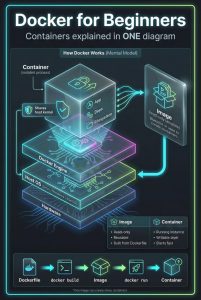
Container security refers to the process of protecting containerized applications from vulnerabilities, misconfigurations, and cyberattacks.
It involves securing the container lifecycle from development to deployment and runtime operations.
Consequently, businesses ensure that applications remain safe while running in isolated environments.
Moreover, container security protects both the application and the underlying infrastructure.
Why Container Security Matters
Modern applications are no longer deployed on single servers.
Therefore, businesses now use container orchestration tools like Kubernetes to manage scalability and performance.
However, increased flexibility introduces new risks.
Without proper security, attackers may exploit weak configurations or vulnerable images.
As a result, organizations may experience data breaches or system compromise.
Common Container Security Risks
1. Vulnerable Container Images
Many containers are built using outdated or insecure base images.
Consequently, attackers exploit known vulnerabilities.
2. Misconfigured Kubernetes Clusters
Incorrect cluster settings can expose internal systems.
Therefore, unauthorized users may gain access.
3. Weak Access Control
Poor permission management increases security risks.
As a result, attackers may move laterally within systems.
4. Runtime Attacks
Containers running in production may be targeted during execution.
Consequently, attackers can manipulate active workloads.
5. Exposed APIs and Ports
Open services create entry points for attackers.
Therefore, systems become vulnerable to intrusion.
Best Practices for Container Security
Use Trusted Base Images
Organizations should only use verified and secure images.
Consequently, vulnerabilities are reduced significantly.
Scan Containers Regularly
Security scanning tools help detect weaknesses early.
Therefore, issues can be fixed before deployment.
Implement Least Privilege Access
Users and services should only receive required permissions.
As a result, exposure to risk becomes limited.
Secure Kubernetes Configurations
Clusters should be configured following security best practices.
Therefore, unauthorized access becomes more difficult.
Enable Runtime Monitoring
Continuous monitoring helps detect suspicious activity.
Consequently, security teams respond faster to threats.
Isolate Containers Properly
Containers should run in isolated environments.
Therefore, attackers cannot easily move across systems.
How Kubernetes Impacts Container Security
Kubernetes plays a major role in managing containerized applications.
However, its complexity introduces additional security challenges.
Therefore, businesses must secure control planes, nodes, and workloads.
Moreover, proper configuration ensures stable and secure deployments.
Benefits of Strong Container Security
Organizations gain several advantages when container security is properly implemented.
Firstly, they reduce system vulnerabilities.
Secondly, they improve application stability.
Thirdly, they protect sensitive business data.
Additionally, they enhance customer trust.
Ultimately, secure containers support scalable business growth.
Frequently Asked Questions
What Is Container Security?
Container security is the practice of protecting containerized applications from cyber threats and vulnerabilities.
Why Is Container Security Important?
It helps prevent unauthorized access, data breaches, and system compromise.
Is Kubernetes Secure by Default?
No. Kubernetes requires proper configuration to ensure security.
Can Small Businesses Use Containers Securely?
Yes. With proper security practices, businesses of all sizes can safely use containers.
Why Container Security Skills Matter Today
Containerization continues growing in modern software development.
Therefore, companies increasingly seek professionals who understand Docker and Kubernetes security.
Career opportunities include:
- Devops Engineer
- Cloud Security Engineer
- Kubernetes Administrator
- Site Reliability Engineer
- Cloud Infrastructure Specialist
Consequently, container security skills improve career prospects significantly.
Why Learners Choose Port Harcourt Data School
Many learners struggle with container security because it combines development and cybersecurity concepts. Therefore, Port Harcourt Data School provides structured learning that simplifies complex topics.
Real DevOps and Cloud Lab Practice
Students work with real container environments.
Consequently, learning becomes hands-on and practical.
Industry-Relevant Security Training
Courses focus on modern tools like Docker and Kubernetes.
Therefore, students learn skills that match industry demand.
Step-by-Step Learning System
Complex topics are broken into simple modules.
As a result, beginners understand faster.
Career-Oriented Skill Development
Training focuses on job-ready DevSecOps skills.
Therefore, learners gain practical career advantages.
Exposure to Real Infrastructure Challenges
Students learn how real companies secure cloud-native applications.
Consequently, they understand professional environments better.
Build Secure Container Skills Today
Container security is essential for modern applications because businesses now rely on Docker and Kubernetes for scalability and performance. Therefore, securing workloads must remain a top priority.
Meanwhile, professionals with container security expertise continue to be highly demanded in cloud and DevOps roles.
If you want practical cloud and Devops training, explore Port Harcourt Data School and start building future-ready skills today.
Visit: https://portharcourtdataschool.com/
Ultimately, strong container security begins with proper configuration, continuous monitoring, and the right training.